
Podalyria calyptrata
Podalyria calyptrata
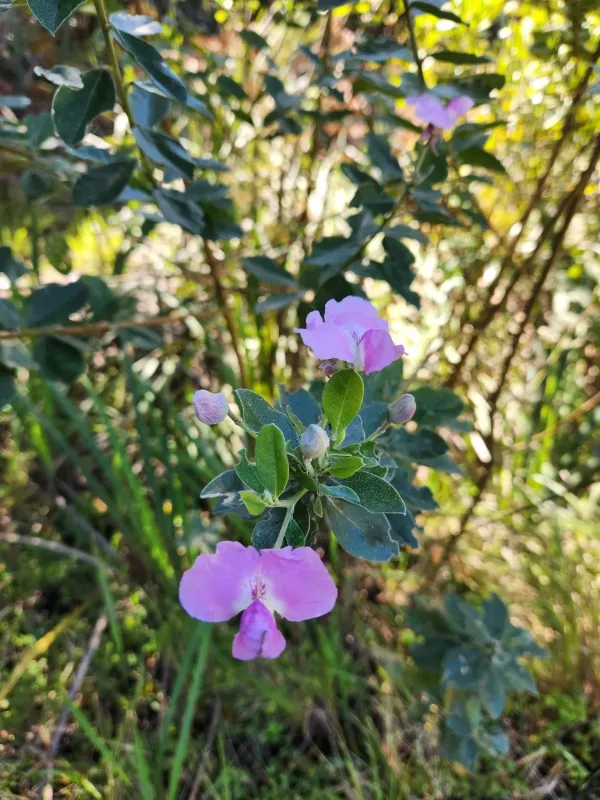
Description
Sowing dates
Sowing Podalyria calyptrata seeds is most successful in early spring. The seeds possess a hard coat, so mechanical scarification or soaking in warm water is required to break dormancy and trigger germination.
The seeds should be planted at a depth of about one centimeter in a well-draining seed-starting mix. Consistent humidity is vital, but the substrate must never remain waterlogged to prevent fungal issues during the germination phase.
Optimal temperatures for germination range between 18 and 22 degrees Celsius. Provide bright, indirect light to the seedlings to ensure strong, healthy growth without risking leaf scorch from direct UV rays.
Seedlings develop slowly, so patience is required before transplanting. Wait until the young plants develop a robust root system and several sets of true leaves before moving them into individual pots or permanent spots.
Proper spacing is crucial when planting out in the garden. Each individual bush needs enough airflow around it to prevent moisture accumulation and to ensure even development throughout the growing season.
Growing requirements
Podalyria calyptrata is a woody shrub belonging to the Fabaceae family, native to South Africa. It thrives in Mediterranean-style climates, characterized by wet, mild winters and dry, warm summers.
Full sun is preferred, though in regions with scorching heat, light afternoon shade can be beneficial. It is essential to protect the plant from hard frost, as it is not tolerant to freezing temperatures for extended periods.
The soil must be acidic to neutral, light, and exceptionally well-draining. Adding perlite or coarse sand to the planting hole is highly recommended to prevent any risk of root rot, to which this species is susceptible.
As a legume, this plant forms a symbiotic relationship with nitrogen-fixing bacteria. Therefore, avoid heavy fertilization, as excess nitrogen can suppress flower production and lead to weak, elongated stems.
Container cultivation is a common practice in non-native climates. This approach allows the gardener to move the plant into a conservatory or shed during the winter to keep it protected from adverse weather conditions.
Main diseases and pests
Root rot caused by Phytophthora or Pythium species is the most significant threat to this culture. It occurs primarily when the plant sits in heavy, poorly drained soil during cold and wet winter months.
Pests like spider mites and aphids may appear during hot, dry spells. Monitoring the plant foliage regularly and washing it with a mild soap solution is usually sufficient to handle minor infestations.
Powdery mildew can affect the leaves if air circulation around the canopy is poor. Ensuring that the shrub is not crowded by other plants is a key preventive measure in landscape management.
Root-knot nematodes can weaken the plant, especially in soil that has been previously used for other susceptible crops. Using fresh potting soil or solarizing garden soil can mitigate these risks effectively.
Regular sanitary pruning helps maintain the plant's health by removing dead or dying branches that could harbor pathogens. Always disinfect pruning tools to prevent the accidental transfer of diseases.