
Heart-leaved Podalyria
Podalyria cordata
Description
Growing requirements
Heart-leaved Podalyria (Latin: Podalyria cordata) is an evergreen ornamental shrub within the Fabaceae family. Originating from the Cape region of South Africa, it is widely recognized for its elegant growth habit and specialized adaptation to Mediterranean-like climatic conditions.
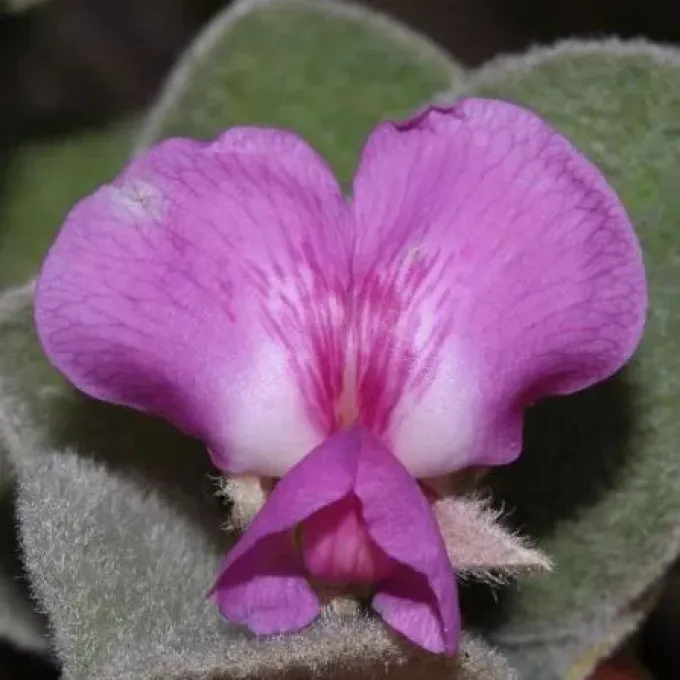
The plant is distinguished by its unique heart-shaped leaves, which often feature a delicate silvery pubescence. During the spring season, the shrub produces an abundance of fragrant, pea-like pink or purple blossoms, making it a highly prized specimen for ornamental horticulture and garden borders.
Successful cultivation of Podalyria cordata requires full sun exposure and excellent soil drainage. It is highly sensitive to waterlogged conditions, which can lead to root rot; therefore, providing a porous soil medium is essential for long-term survival in garden settings.
The species is moderately frost-hardy and thrives best in temperate regions where winter temperatures remain well above freezing. In cooler climates, gardeners typically manage this plant in pots, allowing for protection in a greenhouse or bright indoor space during the colder months.
Maintenance involves light pruning immediately after the flowering period to maintain a dense, attractive shape. Additionally, as a member of the legume family, it can form symbiotic relationships with nitrogen-fixing bacteria, though it still requires consistent monitoring of moisture levels to ensure vigorous seasonal growth.