
Cape leadwort
Plumbago auriculata Lam.
Description
Sowing dates
Cape leadwort is primarily propagated through softwood cuttings taken in late spring or early summer. This method ensures that the new plants retain the characteristics of the parent stock while establishing a strong root system quickly.
Seeds can also be sown in a well-draining, sterile seed-starting mix. The optimal germination temperature is around 20–22 degrees Celsius, requiring a consistent environment to break dormancy and ensure uniform seedling growth.
When propagating via cuttings, use a rooting hormone to enhance success rates and place them in a perlite-rich substrate. Covering the pots with plastic can help maintain the high humidity levels necessary for successful rooting.
Once the cuttings show signs of active growth and have developed a sufficient root ball, they should be transplanted into larger pots. Hardening off the young plants before moving them to their permanent location is essential for survival.
For professional nursery production, spacing is critical to ensure good airflow. Proper spacing prevents overcrowding, which is a common cause of humidity-related fungal issues during the early development stages of the plant.
Growing requirements
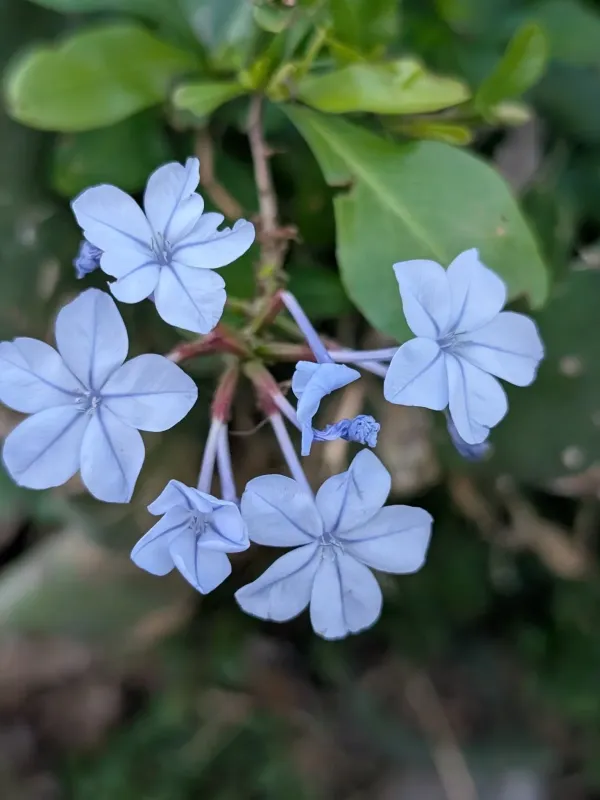
Plumbago auriculata, belonging to the Plumbaginaceae family, is a vigorous shrub native to South Africa. It thrives in full sun, which is necessary for the plant to produce its signature azure-blue flowers throughout the season.
The soil should be fertile, slightly acidic to neutral, and possess excellent drainage characteristics. If planting in containers, the use of a high-quality potting mix amended with organic matter is recommended for best results.
Regular watering is required during the peak growing season to keep the soil consistently moist but not waterlogged. In contrast, the plant requires a period of relative dryness during the winter dormancy stage.
Temperature management is key, as the Cape leadwort is not frost-tolerant. In cooler climates, plants must be moved indoors or to a frost-free greenhouse when temperatures drop near freezing levels in the autumn.
Pruning is a fundamental aspect of maintaining the structural integrity and blooming potential of the plant. Cutting back old wood promotes vigorous new growth, as the flowers are produced primarily on current-season stems.
Main diseases and pests
Spider mites are the most common pest, especially in warm, dry indoor environments. Frequent misting and maintaining adequate humidity levels are effective strategies to prevent heavy infestations on the foliage.
Aphids often target the tender tips of the plant, causing curled leaves and stunted growth. If detected, an application of insecticidal soap or a systemic insecticide is generally effective in managing the population.
Mealybugs can become a nuisance, appearing as white, cotton-like masses in leaf axils. Physical removal followed by an application of horticultural oil helps to keep these pests under control without damaging the plant.
Root rot is a significant risk if the soil remains excessively wet for long periods. Ensuring proper drainage and avoiding overwatering during the dormant winter months are crucial for the long-term health of the roots.
Iron deficiency, appearing as leaf chlorosis, can occur if the soil pH becomes too alkaline. Applying chelated iron or adjusting the soil chemistry will typically restore the green color and vitality of the leaves.