
Indian leadwort
Plumbago indica L.
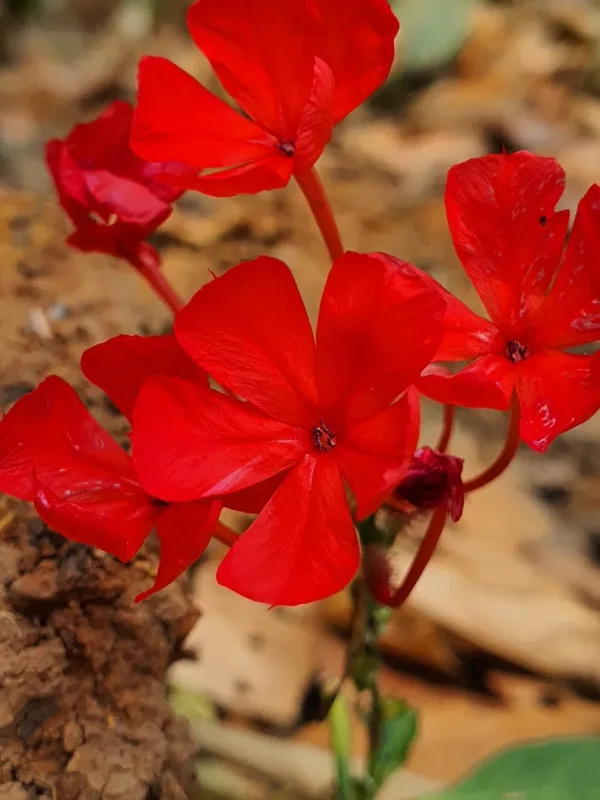
Description
Sowing dates
The propagation of Plumbago indica is primarily achieved through stem cuttings, which ensures genetic consistency. It is recommended to take semi-hardwood cuttings during the active growth phase for the highest success rate.
Cuttings should be placed in a sterile, well-draining medium. Maintaining high humidity using a misting system or plastic covering helps to prevent desiccation before the root system is established.
Seeds can also be used for propagation, though they require specific temperature conditions. Sowing occurs in a temperature-controlled greenhouse environment to ensure maximum germination efficiency.
Once the seedlings have reached a sufficient size, they should be transplanted into individual containers. Proper spacing is essential during this stage to prevent competition for light and nutrients.
Hardening off the plants is a critical step before transferring them to their permanent outdoor location. This process should be executed over ten to fourteen days to prevent transplant shock.
Growing requirements
As a member of the Plumbaginaceae family, Indian leadwort thrives in tropical conditions. It requires bright, indirect sunlight to reach its full flowering potential and maintain foliage health.
Soil requirements include a nutrient-rich, loamy texture with excellent drainage properties. A pH level ranging from slightly acidic to neutral is considered ideal for nutrient uptake.
Watering must be frequent during the peak summer months, but it is vital to allow the soil surface to dry slightly between watering events to prevent root rot conditions.
Temperature management is key to successful production; the plant prefers a range between 18 and 28 degrees Celsius. During the dormant winter period, cooler temperatures are beneficial.
Pruning is an essential cultural practice. Removing old stems encourages the development of new, flowering branches and maintains a desirable shape for ornamental or landscape usage.
Main diseases and pests
Spider mites represent a significant threat to Plumbago indica, especially in warm and dry greenhouse environments. These pests can rapidly compromise the health of the plant.
Mealybugs are another common challenge for growers. They feed on plant sap and can lead to stunted growth and the transmission of secondary viral or fungal infections.
Root rot, often caused by Pythium or Phytophthora species, is a common ailment resulting from overwatering or inadequate soil aeration. It remains the most dangerous threat to crop longevity.
Leaf spot pathogens can occur during periods of high humidity and poor air circulation. Implementing proper sanitation and airflow systems is necessary for effective disease management.
Integrated pest management strategies are recommended, focusing on early detection and the use of targeted biological or chemical controls to preserve the plant's aesthetic and economic value.