
Plazia daphnoides
Plazia daphnoides
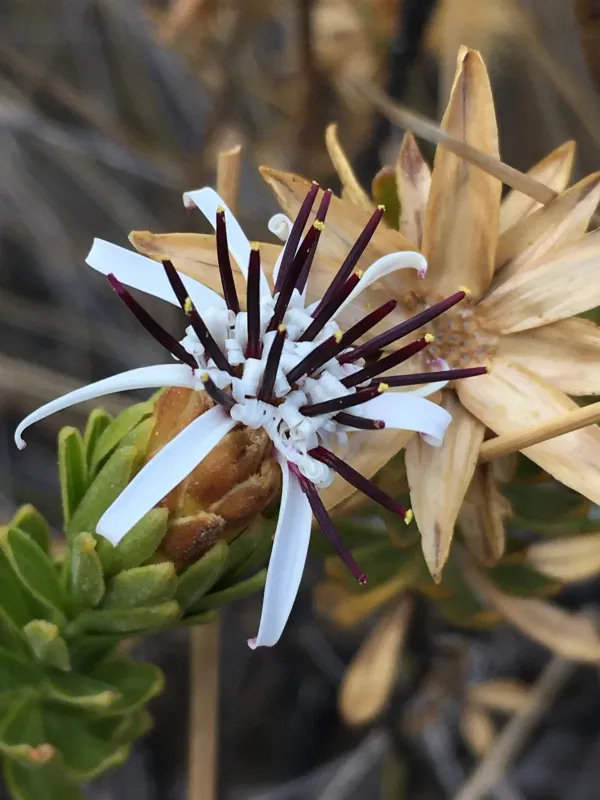
Description
Growing requirements
Plazia daphnoides is a perennial shrub belonging to the Asteraceae family. Known for its resilience in arid environments, this species is native to specific regions of South America, particularly Argentina, where it thrives in natural habitats characterized by sparse vegetation and sandy or rocky soils.
The botanical structure of the plant features leathery, daphne-like leaves, which are a morphological adaptation to minimize water loss through transpiration. This trait allows the plant to survive in environments with low rainfall and high solar radiation throughout the growing season.
Cultivation requirements for Plazia daphnoides prioritize excellent soil drainage. It performs best in substrates that mimic its natural environment, such as gritty or well-aerated sandy soils, as waterlogged conditions are highly detrimental to its long-term survival and root health.
Regarding climate, the plant exhibits significant drought tolerance. It is adapted to regions with clear seasonal fluctuations and requires substantial sunlight. Proper exposure to direct sun is essential for the plant to maintain its structural integrity and produce necessary secondary metabolites.
Agrotechnical practices should focus on maintaining a moderate supply of nutrients, as the plant is adapted to nutrient-poor soils. Excessive nitrogen fertilization can lead to succulent growth that is more prone to diseases and cold damage, therefore a balanced approach is recommended.
Main diseases and pests
The primary threats to Plazia daphnoides are fungal pathogens that thrive in damp or poorly ventilated conditions. Root rot caused by fungal infections is the most significant risk for the plant when cultivated in soil with low permeability or high moisture levels.
Common pests include aphids and mites, which target the soft tissues of the stems and leaves. These pests can transmit viral infections, necessitating vigilant monitoring during the main growth periods to ensure the plants remain healthy and productive.
Powdery mildew represents a potential challenge in controlled environments, especially if air circulation is insufficient. Managing this disease involves proper spacing of plants and ensuring that the foliage stays dry, which helps in preventing the fungal spores from colonizing.
Weed competition is particularly critical during the establishment phase of the plant. Since Plazia daphnoides develops slowly initially, it is easily outcompeted by invasive weeds that consume available moisture and sunlight, requiring timely mechanical intervention.
Overall, pest management in this crop is facilitated by its natural chemical defenses, including various sesquiterpene lactones. These compounds often provide a degree of biological resistance, making it easier to manage the crop with fewer synthetic inputs than traditional vegetables.