
Plazia conferta
Plazia conferta
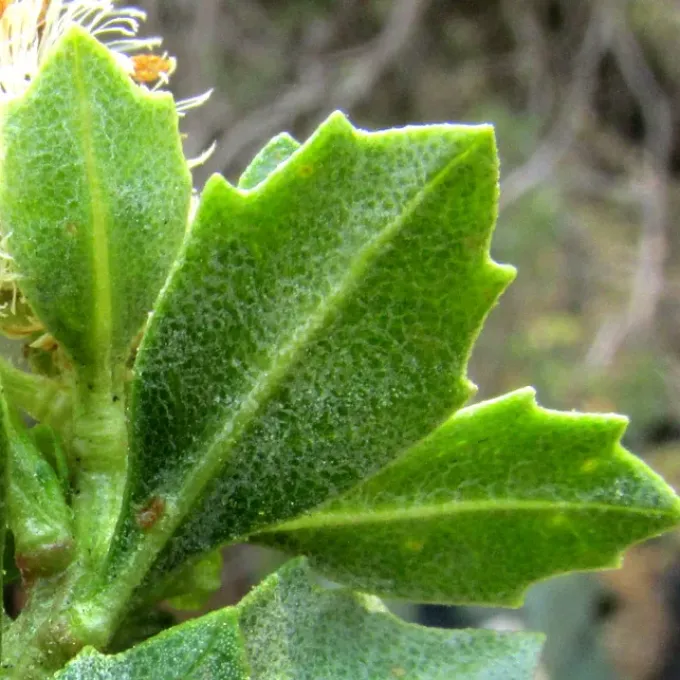
Description
Growing requirements
Plazia conferta is a perennial shrub belonging to the Asteraceae family. Originating from the arid and high-altitude regions of South America, specifically in parts of Argentina and Chile, it has evolved to thrive in environments characterized by nutrient-poor soils and sparse annual rainfall.
The plant requires well-drained soil, ideally with a high mineral content such as rocky or sandy loam. Heavy, water-retaining soils must be avoided, as the root system of Plazia conferta is susceptible to root rot when exposed to prolonged saturation or lack of oxygen.
Regarding climate, the plant thrives in areas with high solar radiation and low relative humidity. It is well-adapted to wide daily temperature fluctuations, which are typical of its natural mountainous habitat, making it resilient but dependent on consistent light exposure.
Agrotechnical maintenance for this species is relatively low compared to traditional agricultural crops. It requires minimal fertilization, as it is naturally adapted to survive in environments with low nutrient availability, and excess nitrogen can actually weaken the plant structure.
Watering should be conducted according to the "soak and dry" method. It is crucial to allow the substrate to dry out completely between irrigation cycles to mimic the natural hydrological patterns of its native range and prevent fungal pathogen proliferation.
Main diseases and pests
Root rot is the most significant threat to Plazia conferta, primarily caused by improper watering practices or poor soil drainage. If the soil remains soggy for extended periods, the primary roots quickly lose their function, leading to total plant death.
Pests such as spider mites may infest the foliage during periods of intense heat and dry air. These small arachnids thrive in low-humidity environments and can cause significant foliage discoloration if left unmonitored during the peak summer months.
Fungal diseases like powdery mildew can also occur if the plant is grown in areas with poor airflow. Ensuring adequate spacing between individual plants is essential to promote natural ventilation and reduce the buildup of moisture around the base of the shrub.
Aphids might occasionally colonize the young, tender growth tips during the spring flush. While usually not lethal to established plants, high infestation rates can stunt growth and should be managed with manual removal or targeted insecticidal applications.
Preventative care is the best strategy for managing these threats. Maintaining a clean cultivation area, removing debris, and strictly adhering to the recommended irrigation schedule will significantly decrease the susceptibility of Plazia conferta to most common disorders.