
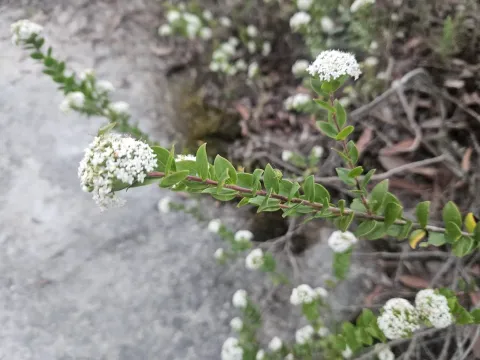
Platysace
Platysace
The propagation of Platysace usually begins with seed germination, which often requires specific stratification to break internal dormancy.
What the section contains

Platysace
Sowing should ideally take place in early spring within a controlled greenhouse environment to ensure stable temperatures and adequate light exposure.
Using a well-draining seed-starting mix is critical, as the delicate seedlings are highly susceptible to damping-off if the medium remains saturated.
Seeds should be sown shallowly, as many species within this genus require exposure to light to trigger the germination process effectively.
Consistent moisture levels must be maintained without allowing the soil to become waterlogged, as this is the primary cause of failure in early stages.
Platysace is a distinct genus within the Apiaceae family, native primarily to the diverse and often harsh landscapes of the Australian continent.
The plants thrive in full sun exposure and require well-draining, gritty, or sandy soil types to mimic their natural habitat conditions.
Adaptability to drought is a notable trait, though supplemental irrigation is necessary during the establishment phase and periods of extreme heat.
The soil pH should ideally range from neutral to slightly acidic, ensuring that essential micro-nutrients remain bioavailable to the root system.
Air circulation is paramount for this species; stagnant air combined with high humidity often leads to rapid deterioration and fungal infections.
Common threats to Platysace cultivation include root rot pathogens, which flourish in poorly drained soils or over-irrigated substrates.
Fungal leaf spots can occur in environments where humidity is high and foliage is unable to dry sufficiently between watering cycles.
Pests such as aphids or spider mites may occasionally infest the plants, particularly when grown under glass or in protected environments.
Monitoring for signs of nutrient deficiency, such as chlorosis, is important, especially if the soil medium has lost its structural integrity over time.
Preventative measures include maintaining strict sanitation, ensuring proper spacing between plants, and practicing integrated pest management strategies.
Harvesting for ornamental use involves cutting the stems once the flowers are fully developed but before they begin to fade significantly.
Early morning harvests are recommended to minimize water stress and ensure that the cut stems have maximum turgor pressure for longevity.
For dried floral arrangements, stems should be hung in a dry, dark, and well-ventilated area to preserve the natural pigments and delicate structures.
Clean, sharp tools are essential for the harvesting process to prevent crushing the stems and to provide a clean cut that resists rot organisms.
Processed stems should be sorted and bundled carefully to avoid mechanical damage to the often fragile flower heads during storage or transit.