
Platysace lanceolata
Platysace lanceolata
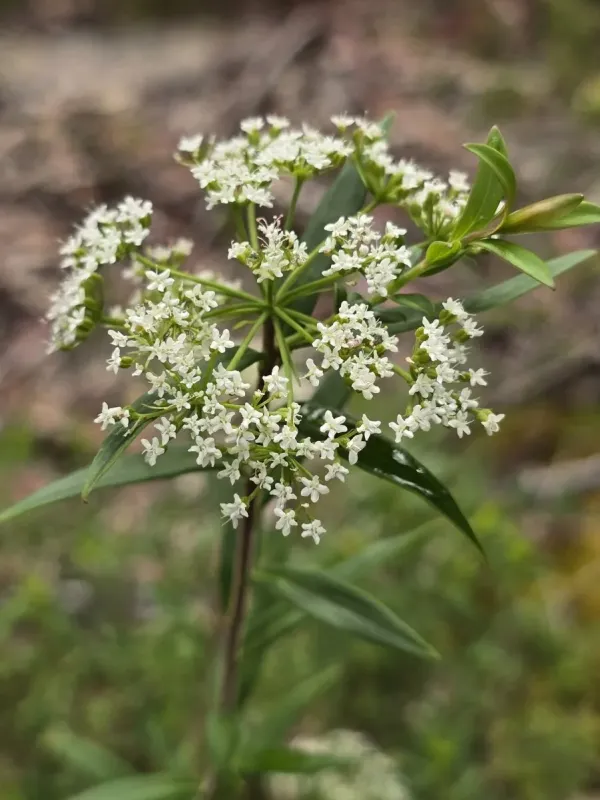
Description
Growing requirements
Platysace lanceolata is a perennial shrub belonging to the Apiaceae family. Native to eastern Australia, this plant is well-adapted to coastal and forest environments, where it thrives in sandy, well-drained soils under light canopy cover.
The plant is characterized by its lance-shaped leaves and delicate white umbellate flowers that bloom throughout the warmer months. It typically reaches a height of up to 1.5 meters, maintaining a dense, upright, or spreading habit that adds structure to any garden border.
For successful cultivation, Platysace lanceolata requires sandy or gravelly soil with excellent drainage. It is highly intolerant of waterlogging, which often leads to root rot in poorly managed soils. Adding organic mulch can help retain moisture during the establishment phase without promoting excess dampness.
Regarding climate, the species prefers temperate conditions with plenty of indirect sunlight. While it exhibits some tolerance for dry spells once established, consistent watering during the first growing season is crucial for developing a robust root system capable of sustaining the plant in subsequent years.
The primary use of this species is in ornamental horticulture, particularly in native or drought-tolerant landscaping. It is highly valued for its elegant appearance, providing a unique texture to rock gardens and helping to support local pollinator populations in managed landscapes.
Main diseases and pests
While generally hardy, Platysace lanceolata is susceptible to fungal pathogens if exposed to excessive humidity or poor soil aeration. Root rot is the most common threat, often caused by Phytophthora species in overly wet soil conditions.
Insect pests such as scale insects or aphids may occasionally infest new growth during the spring flush. Regular monitoring and the application of horticultural oils or soap sprays can effectively manage these populations without causing damage to the plant tissue.
Leaf-spotting fungi can sometimes appear if the foliage remains wet for extended periods, especially in shaded, stagnant air environments. Proper spacing between plants and ensuring good airflow is essential for maintaining health and preventing the spread of these fungal issues.
Weed management in the surrounding area is important during the early stages of growth to prevent competition for nutrients. Since the plant has a specific sensitivity to certain fertilizers, it is recommended to use low-phosphorus feeds labeled specifically for native Australian flora to avoid chemical burns.
Vigilance against root-disturbing pests like nematodes may be necessary in areas with high soil infestation rates. Using clean, pathogen-free propagation material and maintaining a clean cultivation area are the best preventative measures against these soil-borne threats.