
Cape pittosporum
Pittosporum viridiflorum
Description
Growing requirements
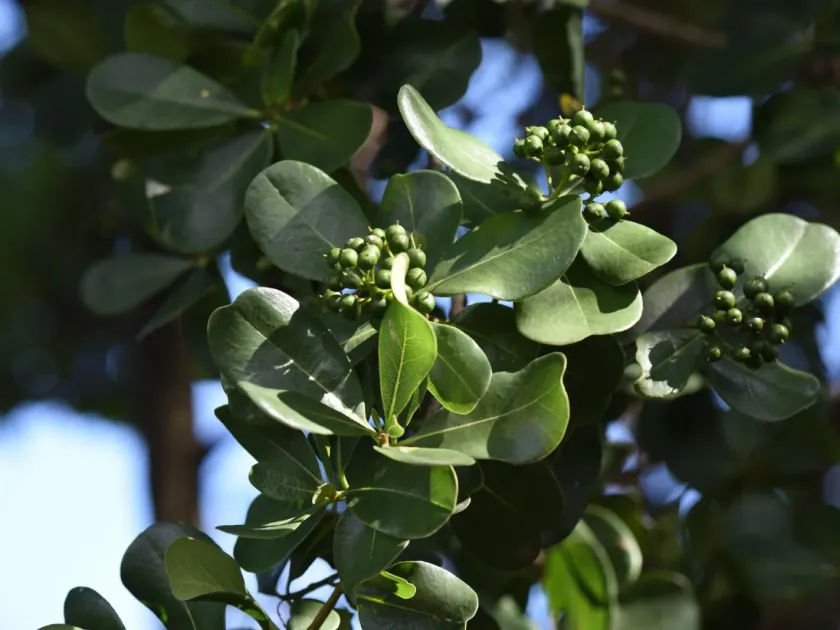
Cape pittosporum (Pittosporum viridiflorum) is a versatile evergreen shrub or tree belonging to the Pittosporaceae family. It is recognized for its glossy, dark green foliage and clusters of small, fragrant flowers that typically bloom during the growing season.
The plant originates from the southern and eastern parts of Africa, where it thrives in varied habitats, ranging from forest margins to rocky hillsides. Its natural resilience makes it a suitable candidate for diverse horticultural environments.
Cultivation requires well-draining soil with a balanced nutrient content to support vigorous growth. While the species is somewhat tolerant of varied conditions, it performs best in full sun or light shade, with consistent moisture levels during the early development phase.
Agricultural management primarily focuses on maintenance pruning to encourage a bushier habit, which enhances its aesthetic appeal as a hedge or privacy screen. In cooler climates, providing winter protection is essential to prevent frost damage to the foliage.
Economically, this species is highly valued in the landscape industry for its utility in xeriscaping and sustainable garden design. It is also an important plant for attracting pollinators due to the nectar-rich flowers it produces.
Main diseases and pests
The primary pests affecting Pittosporum viridiflorum include scale insects and spider mites, particularly when grown in conditions with poor air circulation. Regular inspection and the application of horticultural oils can effectively mitigate these issues.
Fungal infections such as powdery mildew or leaf spot can occur if the foliage remains wet for prolonged periods. To manage these risks, ensure proper spacing between individual plants to promote airflow and prevent moisture accumulation on leaves.