
Pittosporum coriaceum
Pittosporum coriaceum
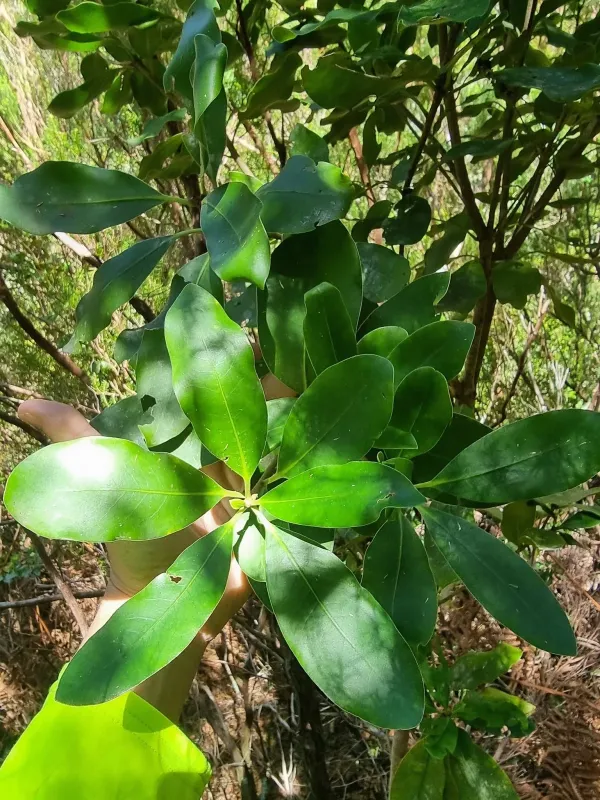
Description
Growing requirements
Pittosporum coriaceum is a distinctive woody shrub belonging to the Pittosporaceae family. It is an endemic species native to the island of Madeira, adapted to unique subtropical environmental conditions and stable humidity levels.
The plant requires a balanced climate, thriving best in temperatures that avoid extreme heat or frost. Consistent air humidity is crucial for maintaining the physiological health of its leathery, evergreen foliage in agricultural or greenhouse settings.
Optimal soil conditions include well-draining, nutrient-rich substrates with a slightly acidic to neutral pH level. Careful soil management is required to prevent waterlogging, which is a major limiting factor for this species' survival.
Light requirements are significant; while the plant can tolerate partial shade, bright, indirect light is necessary for dense growth and healthy leaf development. Proper spacing is essential to ensure adequate air circulation around the canopy.
Horticulturally, it is utilized as an ornamental specimen, valued for its structure and evergreen nature. Its cultivation is primarily focused in botanical gardens and specialized nurseries where conditions can be tightly regulated.
Main diseases and pests
Root rot pathogens, particularly species like Phytophthora, pose the greatest threat to Pittosporum coriaceum. These infections are almost always linked to poor drainage systems and excessive irrigation cycles in the growing medium.
Insect pests, including scale insects and mealybugs, are frequent offenders in indoor and sheltered outdoor environments. These sap-sucking insects reside in dense leaf clusters, making manual removal difficult and requiring systemic insecticides.
Spider mites are common in low-humidity environments, leading to leaf drop and yellowing. Regular misting and monitoring are recommended to prevent infestations from reaching economic threshold levels.
Disease management relies heavily on preventative cultural practices, such as ensuring proper sanitation of tools and maintaining a sterile propagation environment. Fungicide treatments are effective when applied at the first sign of foliage spotting.
Maintaining strong plant vigor through appropriate fertilization and optimal light exposure is the best defense against secondary pest colonization. Integrated pest management programs should be implemented for large collections.