
Pittosporum abyssinicum
Pittosporum abyssinicum
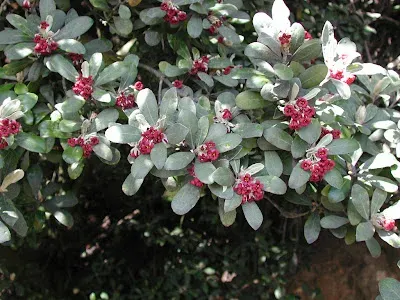
Description
Growing requirements
Pittosporum abyssinicum is a prominent member of the Pittosporaceae family, known for its elegant evergreen foliage and structural utility. As a shrub or small tree, it is highly valued for its ornamental versatility and its ability to thrive in specific subtropical mountain niches.
The species originates from the highlands of East Africa, particularly Ethiopia. This geographical background dictates its preference for moderate temperatures and consistent moisture, although it remains sensitive to the extreme frost conditions typical of higher latitudes.
Soil requirements focus on high organic content and excellent drainage. The plant is prone to root rot if water stagnation occurs, necessitating the use of well-structured soil mixes. In controlled environments, growers often integrate perlite or sand to improve aeration of the root system.
Cultivation practices require consistent irrigation during the peak growing season, coupled with periodic fertilization to support the dense canopy. Pruning is essential for maintaining aesthetic shape and promoting vigor, ensuring that the plant does not become overgrown or structurally weak.
When grown in nursery conditions, the species demonstrates a need for ample air circulation. Proper spacing between individual plants is mandatory to prevent moisture buildup within the foliage, which is a critical factor for long-term health and disease prevention.
Main diseases and pests
Pest management for this crop primarily involves the control of sap-sucking insects like aphids and whiteflies. Regular scouting allows for early detection, which is vital before the infestation leads to stunted growth or the development of sooty mold on the foliage surface.
Diseases are mostly linked to improper maintenance, specifically overwatering leading to fungal root infections. Utilizing preventative fungicides during periods of high humidity and maintaining a strict watering regimen are the most effective strategies for preserving the plant's health.