
Sweet pittosporum
Pittosporum undulatum
Description
Growing requirements
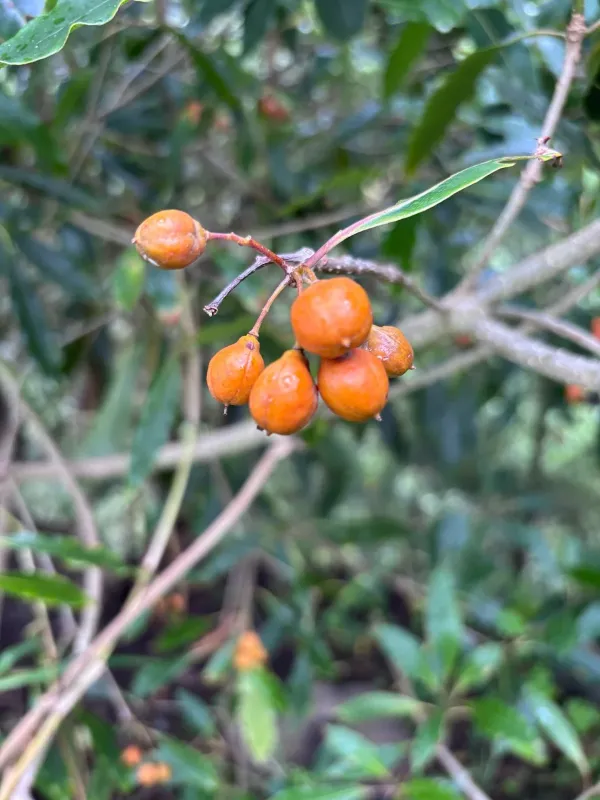
Sweet pittosporum (Pittosporum undulatum) is a perennial evergreen species belonging to the Pittosporaceae family. It is recognized for its glossy, wavy-edged foliage and clusters of fragrant, creamy-white flowers that appear during the spring season.
Native to the eastern coastal regions of Australia, this species thrives in temperate and subtropical climates. Its natural range encompasses various forest habitats, demonstrating its ability to adapt to diverse ecological conditions from sunny clearings to shaded forest understories.
Successful cultivation requires deep, well-draining, and nutrient-rich soil. While it shows some tolerance for different soil types, the plant performs best in slightly acidic to neutral substrates where nutrient availability is high and waterlogging is minimized.
Regarding climate, the plant prefers moderate temperature ranges. It is moderately frost-tolerant but benefits from protection during extreme cold events. In cooler regions, it is frequently managed as a large container plant or a conservatory ornamental.
In landscaping, it serves as an excellent screening plant due to its dense growth habit. Its aromatic properties make it a valuable resource for fragrance production, and it is also appreciated in apiculture as a reliable nectar source for bees.
Main diseases and pests
Root rot, primarily caused by the oomycete Phytophthora cinnamomi in poorly drained soils, is one of the most severe threats. Ensuring optimal soil drainage and avoiding over-irrigation are critical preventative strategies for plant longevity.
Pests such as scale insects and mealybugs commonly infest the stems and leaves. Regular monitoring and, when necessary, the application of horticultural oils or systemic insecticides help maintain plant vigor and prevent severe outbreaks.
Aphids may cause foliage distortion on young, actively growing shoots during the spring. Biological control methods, such as encouraging natural predators like ladybugs, are often effective in maintaining balance within the garden ecosystem.
Leaf spot pathogens can occur during extended periods of high humidity and poor ventilation within the canopy. Strategic pruning to improve airflow and early intervention with fungicides are standard practices for managing these fungal issues.
Nutritional deficiencies, specifically iron or magnesium, often manifest as interveinal chlorosis. Maintaining appropriate soil pH levels and utilizing balanced fertilizers with micronutrients will ensure the plant remains robust and visually appealing.