
Pittosporum umbellatum
Pittosporum umbellatum
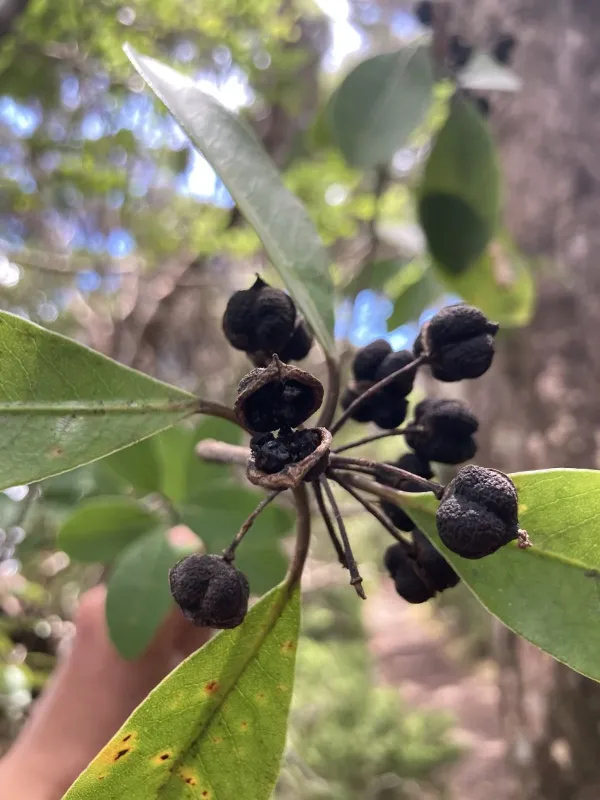
Description
Growing requirements
Pittosporum umbellatum is an evergreen species belonging to the Pittosporaceae family. Native to the coastal regions of New Zealand, this plant is well-regarded for its glossy foliage and ornamental value in landscape design.
The plant thrives in Mediterranean-like climates where frost is minimal. In regions with harsher winters, cultivation should be restricted to greenhouses or containers, as the plant is sensitive to sustained freezing temperatures.
Optimal growth requires well-drained, fertile soil with a slightly acidic to neutral pH level. It is crucial to ensure that the substrate provides sufficient aeration, as waterlogged conditions often lead to the rapid decline of root health.
Regarding light, this species prefers full sun or partial shade. Exposure to bright, filtered light is essential for indoor specimens to maintain dense foliage and prevent weak, etiolated growth patterns throughout the year.
Cultural maintenance involves regular monitoring of irrigation needs and balanced fertilization. Pruning is recommended during the growing season to shape the canopy and encourage dense branching, enhancing the aesthetic appeal of the plant.
Main diseases and pests
Common pests associated with Pittosporum umbellatum include scale insects and mealybugs, which tend to congregate on the undersides of leaves and near the growing tips. These pests extract plant sap and weaken the overall vitality.
Spider mites can also be problematic, particularly in environments with low humidity. Their activity often leads to foliage yellowing and the appearance of fine webbing, necessitating consistent control measures.
Fungal diseases, such as leaf spot, may occur under conditions of high humidity and poor ventilation. Prompt removal of infected leaves and improved air circulation are primary steps in managing these pathogens.
Root rot caused by Phytophthora or Pythium species is a significant threat when soil moisture levels are not properly managed. This condition is often fatal, emphasizing the importance of excellent drainage systems.
Preventative care is the best strategy against threats. This includes maintaining optimal sanitary conditions, avoiding overhead irrigation that leaves water on foliage, and utilizing appropriate biological or chemical treatments as needed.