
Pittosporum tetraspermum
Pittosporum tetraspermum
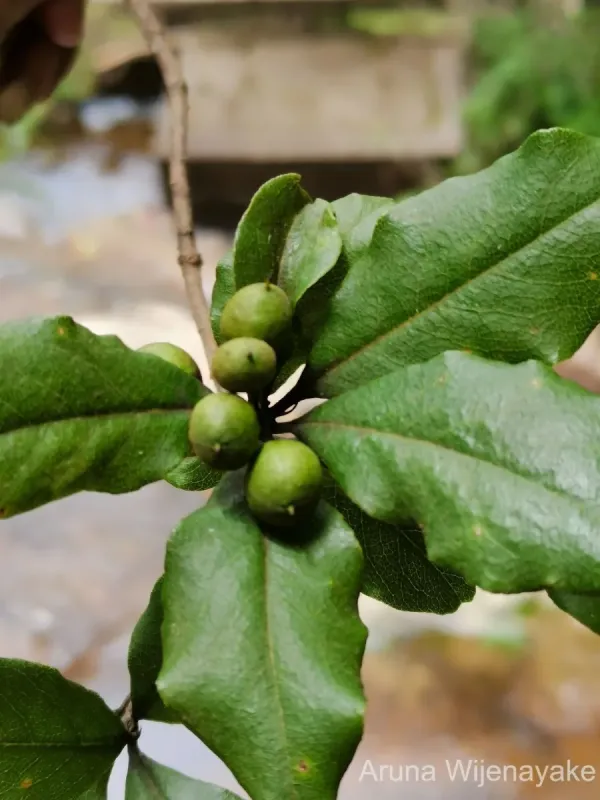
Description
Growing requirements
Pittosporum tetraspermum is a species belonging to the Pittosporaceae family. It is an evergreen shrub or small tree native to the mountainous regions of India and Southeast Asia, adapted to subtropical climates.
The plant requires well-drained, nutrient-rich soil with a neutral to slightly acidic pH level. It is highly sensitive to waterlogging, so proper drainage is essential for maintaining root health during the growing season.
Regarding lighting conditions, Pittosporum tetraspermum prefers bright, filtered sunlight. Exposure to direct harsh sunlight can cause leaf scorching, while deep shade may lead to stunted growth and reduced flowering.
Botanically, it is recognized by its leathery, elliptical leaves and small, fragrant flowers, which typically display creamy or yellowish hues. The plant produces distinctive four-seeded fruit capsules, which are characteristic of this species.
Maintenance requires a consistent watering schedule, ensuring the soil dries out slightly between waterings. Since it is not frost-tolerant, the plant must be protected from freezing temperatures in colder regions.
Yield
The primary economic use of Pittosporum tetraspermum is in ornamental horticulture and landscape design. It is prized for its lush evergreen foliage and its pleasant scent during the blooming period.
In garden settings, it is frequently used to create hedges, privacy screens, or topiary shapes. Its ability to tolerate regular pruning makes it an ideal candidate for formal garden designs and container cultivation.
The species is popular for indoor gardens and conservatories where the climate can be regulated. Its ornamental value remains high throughout the year, making it a reliable choice for consistent visual impact.
While not a major commercial crop for food or fiber, its value in the nursery trade is significant. It is often sought after by plant enthusiasts who appreciate rare or exotic evergreen shrubs for their private collections.
The plant achieves its peak aesthetic form when it begins to produce its signature four-seeded fruits, adding textural interest to the shrub after the flowering season has concluded.
Main diseases and pests
The most common pests affecting this shrub are spider mites and scale insects. These pests often thrive in environments with low humidity, making periodic misting or humidity control an effective preventive measure.
Fungal diseases, specifically root rot, are often caused by improper watering techniques. Keeping the soil consistently saturated without sufficient air circulation in the root zone leads to rapid decline of the plant.
Leaf spot diseases can develop if the plant is kept in an environment with stagnant air and insufficient ventilation. Improving airflow around the plant helps prevent the development of these fungal pathogens.
Mealybugs can also pose a threat by attacking tender buds and leaves. Monitoring the plant for early signs of infestation is crucial, as mealybugs can spread quickly to other ornamental plants in the vicinity.
Integrated pest management, including the use of systemic insecticides and good horticultural hygiene, is necessary for long-term health. Regular inspection and prompt isolation of affected plants ensure the vitality of the collection.