
Pittosporum senacia
Pittosporum senacia
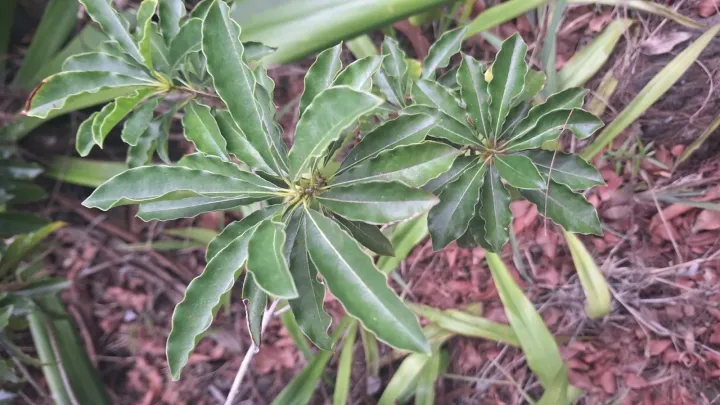
Description
Sowing dates
Propagation is primarily achieved through seeds, which require stratification or soaking in warm water to break dormancy and ensure uniform germination.
Sowing should be performed in a well-draining seed-starting mix, placing the trays in a warm environment with temperatures maintained around 22 degrees Celsius.
Vegetative propagation via cuttings is a common practice for maintaining genetic uniformity, typically utilizing semi-hardwood segments in early summer.
Proper sanitation of tools and substrate is critical during the sowing and rooting phases to prevent damping-off diseases in young seedlings.
Once seedlings reach a height of 10-15 centimeters, they are typically hardened off in partial shade before being moved to their final growing position.
Growing requirements
Pittosporum senacia is a notable member of the Pittosporaceae family, recognized for its evergreen foliage and adaptability to island ecosystems.
The species thrives in soils that are rich in humus and possess a slightly acidic to neutral reaction, ensuring excellent drainage properties.
While the plant is sun-loving, it is essential to manage exposure in arid zones to prevent leaf scorch and maintain healthy transpiration rates.
Watering requirements are moderate; however, the plant is intolerant to waterlogged soils, which can lead to rapid decline of the root system.
Climate adaptability is limited to frost-free regions, making this a suitable crop for greenhouse production or subtropical landscape utilization.
Main diseases and pests
Common pests affecting the crop include scale insects and mealybugs, which are often found on the undersides of leaves and along stems.
Fungal pathogens such as Phytophthora can cause significant damage in poorly drained soils, leading to collar rot and eventual plant death.
High humidity and stagnant air circulation increase the likelihood of foliar diseases, including leaf spot and various mildew types.
Integrated Pest Management (IPM) strategies, including biological controls and targeted application of horticultural oils, are effective for mitigation.
Regular maintenance, such as pruning for air circulation and removing dead plant matter, is the most effective preventative measure against infections.