
Pittosporum rigidum
Pittosporum rigidum
Description
Growing requirements
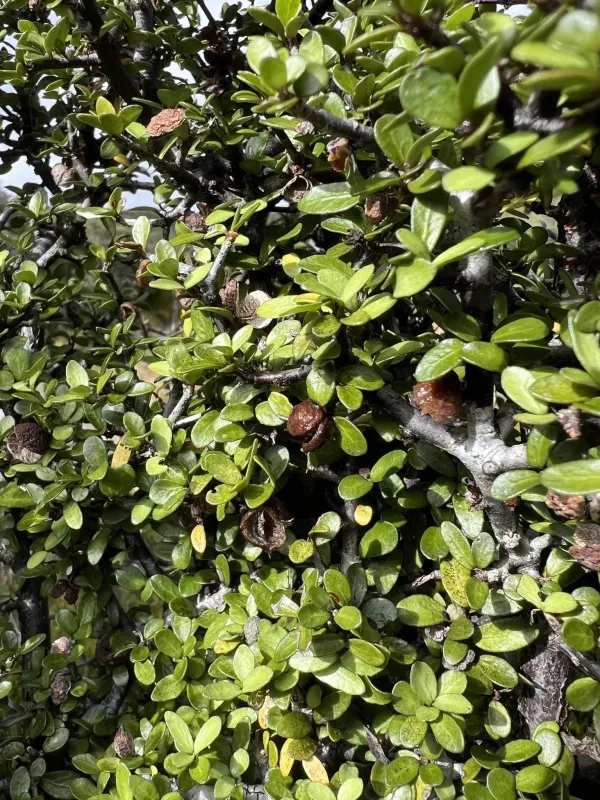
Pittosporum rigidum is a perennial evergreen shrub belonging to the Pittosporaceae family. Native to the mountainous regions of Eastern Australia, this species is noted for its dense habit and rigid, leathery foliage, which makes it a resilient choice for managed landscapes.
In its native habitat, the plant thrives in cooler, temperate climates, often found in the understory of eucalyptus forests. Cultivation success depends on replicating these conditions by providing partial shade and protection from the harsh, direct sun, especially in warmer microclimates.
The species requires well-drained soil with a slightly acidic to neutral pH profile. Proper drainage is the most critical agronomic factor; in cultivation, adding gravel or perlite to the potting mix is essential to prevent waterlogging, which the root system is highly sensitive to.
Agronomic management involves periodic, balanced fertilization during the spring growth phase to support its slow development. Pruning should be carried out sparingly, focusing on maintaining the shrub's natural form and removing deadwood to promote overall plant vigor.
Economically, Pittosporum rigidum serves primarily in the ornamental sector. It is valued for its structured appearance, making it suitable for hedging, screening, or as a focal point in rockeries and specialized garden designs that emphasize native or exotic botanical collections.
Main diseases and pests
The most significant threat to Pittosporum rigidum is root rot, typically caused by poorly drained soil or excessive irrigation. Once the root system is compromised by anaerobic conditions, the plant shows rapid decline, making prevention through soil management the primary defense strategy.
Scale insects and mealybugs are the most prevalent pests encountered during cultivation. These sap-sucking insects often congregate on the undersides of leaves and along stems, leading to stunted growth and the appearance of sooty mold, which develops on the honeydew they excrete.
Spider mites can become problematic in indoor or greenhouse settings where humidity levels are insufficient. Regular inspection of the foliage is necessary to detect early infestations before they lead to leaf drop and general weakening of the plant's structural integrity.
Fungal leaf spot diseases may appear if the canopy is too dense or if the foliage remains wet for extended periods in high-humidity environments. Ensuring adequate airflow through proper spacing is essential to keep the leaves dry and reduce fungal spore germination rates.
Integrated pest management (IPM) is highly recommended for this crop. Utilizing horticultural soaps or systemic insecticides only when necessary, coupled with cultural practices such as debris removal and proper sanitation, ensures the long-term health and aesthetic value of the shrub.