
Pittosporum revolutum
Pittosporum revolutum
Description
Growing requirements
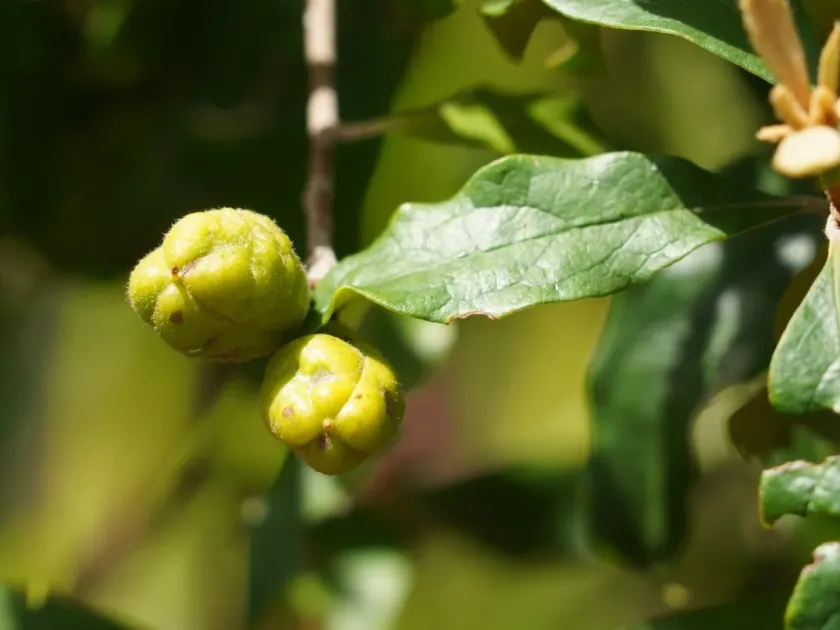
Pittosporum revolutum is a resilient evergreen shrub belonging to the Pittosporaceae family. Native to the eastern regions of Australia, this species thrives in forest margins and coastal environments where the climate is temperate and stable.
The plant is distinguished by its leathery leaves with revolute (curved) margins, which give it a unique texture. In the flowering phase, it produces fragrant yellow blossoms that add significant ornamental value to its foliage.
Cultivation requires well-draining, fertile soil that mimics its natural habitat. It performs best in neutral to slightly acidic conditions, requiring adequate organic matter to support vigorous growth throughout the active season.
Regarding climate, the plant prefers warm, frost-free conditions. While it can withstand periods of dry weather once established, consistent moisture is vital for younger plants to reach maturity and display their characteristic aesthetic.
The primary use of Pittosporum revolutum is in ornamental horticulture and landscape architecture. It is widely favored for informal hedges, shrub borders, and as a container plant in conservatory settings where winters are cold.
Main diseases and pests
Root rot is the most critical threat to this species, primarily caused by waterlogged soil conditions. Proper drainage systems are essential to prevent the accumulation of moisture, which is lethal to the plant's delicate root network.
Common pests such as scale insects and mealybugs can infest the foliage, particularly on the undersides of the leaves. Manual removal or the application of horticultural oils is recommended if an infestation is detected early.
Spider mites are frequently encountered in indoor or greenhouse environments with low humidity. Increasing ambient humidity and proper ventilation are effective strategies to prevent outbreaks of these tiny pests.
Fungal leaf spot diseases may appear if the plant is grown in areas with poor airflow or excessive humidity. Pruning to maintain an open canopy is a preventative measure against such infections.
Maintaining plant health involves consistent monitoring and balanced fertilization. Providing sufficient nutrients during the growing period strengthens the shrub's natural resilience against environmental stressors and potential pathogens.