
Petroleum nut
Pittosporum resiniferum
Description
Growing requirements
The petroleum nut (Pittosporum resiniferum) is an evergreen tree or shrub belonging to the Pittosporaceae family. Native to the Philippines, it naturally thrives in mountainous forests characterized by high humidity and consistent tropical temperatures.
This crop requires well-drained, nutrient-rich soils to reach its full development potential. It is highly sensitive to waterlogging, making proper site selection and soil preparation vital for successful plantation establishment.
Climate requirements include a frost-free environment with plenty of rainfall or supplemental irrigation. The plant prefers areas where it can receive filtered or direct sunlight while being protected from harsh winds that may cause physical damage to the leaves.
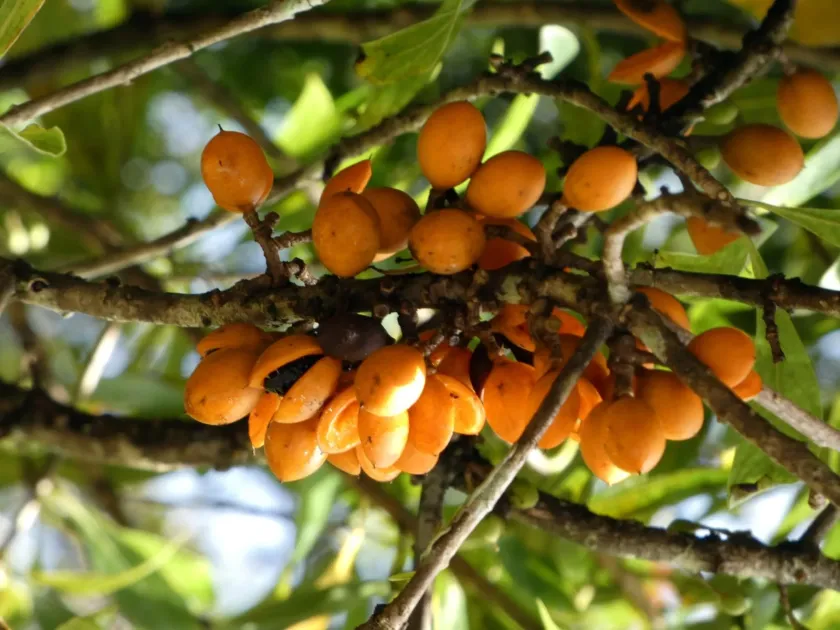
Botanically, it is known for its leathery foliage and small, fragrant flowers. Its most distinctive feature is the seed capsule, which contains a high concentration of volatile oils, specifically heptane, which gives the plant its unique reputation.
In terms of agricultural practices, the crop needs regular pruning to maintain health and ensure easy access for harvesting. Proper fertilization focused on balanced micro-nutrients helps the trees sustain high production of their oil-rich fruits.
Main diseases and pests
Root rot is the most significant disease threat to the petroleum nut, typically caused by fungal pathogens in poorly drained soil. Maintaining soil aeration is the primary method of preventing this condition.
Scale insects pose a major pest problem, as they attach themselves to the underside of leaves and stems. These insects drain plant nutrients and can significantly reduce the overall vitality of the tree if left uncontrolled.
Spider mites can become a nuisance during dry spells, causing yellowing and premature leaf drop. Mitigation strategies involve maintaining proper humidity and applying horticultural oils or acaricides when necessary.
Mealybugs are another common threat that can distort new growth. Early detection and the removal of infested plant parts are essential steps in keeping the tree canopy healthy and productive.
Additionally, nutrient deficiencies can manifest as chlorosis or stunted growth, making the trees more susceptible to secondary infections. Regular soil testing is recommended to ensure the nutritional requirements of the crop are being fully met.