
Pittosporum napaulense
Pittosporum napaulense
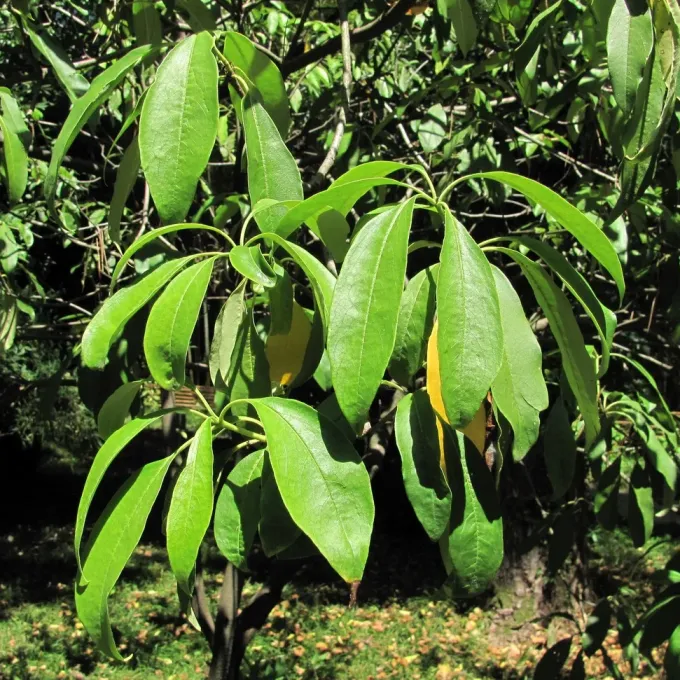
Description
Growing requirements
Pittosporum napaulense is a distinct species within the Pittosporaceae family. It is an evergreen shrub or small tree highly regarded in horticultural circles for its lush foliage and fragrant, cluster-forming flowers that appear during the growing season.
Originating from the mountainous regions of the Himalayas, this plant thrives in environments that mimic its natural cool-to-temperate forest habitat. It is extensively cultivated in botanical collections and ornamental landscapes across suitable climatic zones.
The species requires a location with bright, indirect light to maintain its optimal growth rate and leaf coloration. Direct scorching sunlight should be avoided during the peak hours of the day to prevent foliage damage and dehydration.
Soil requirements involve a well-drained, nutrient-rich, and slightly acidic to neutral substrate. Consistent moisture is necessary, but the root system is highly sensitive to waterlogging, necessitating excellent drainage conditions in the soil profile.
Temperature management is a key aspect of its agrotechnology. The plant is best suited for climates where frost risk is minimal, though established plants can tolerate mild dips in temperature if protected from drying winter winds.
Main diseases and pests
Scale insects are among the most common pests affecting Pittosporum napaulense. These pests attach themselves to stems and leaves, causing chlorosis and stunted growth; treatment requires systemic insecticides or physical removal.
Spider mites can become a significant issue, especially during hot and dry weather conditions. Regular monitoring of the underside of leaves and keeping humidity levels balanced are effective preventative measures against mite infestations.
Root rot is a critical fungal threat usually resulting from poor soil drainage or excessive irrigation practices. Symptoms include yellowing leaves and wilting, which can lead to plant death if not treated immediately by reducing moisture.
Powdery mildew may occur if the plant is grown in areas with stagnant air and high humidity. Improving air circulation around the canopy and utilizing preventive fungicide applications can keep this disease under control.
Regular sanitation of pruning tools is essential to prevent the spread of bacterial or fungal pathogens between individual plants. Maintaining overall plant vigor through balanced fertilization helps the plant resist various environmental and biological stresses.