
Pittosporum ligustrifolium
Pittosporum ligustrifolium
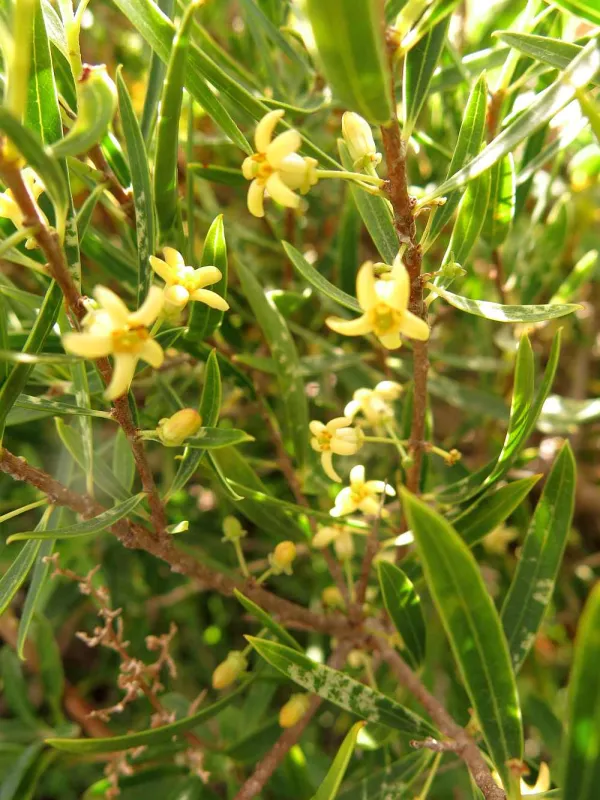
Description
Growing requirements
Pittosporum ligustrifolium is an evergreen ornamental shrub belonging to the Pittosporaceae family. It is native to the warmer regions of Australia, specifically Queensland, where it thrives in diverse habitats, ranging from woodland edges to rocky slopes, showcasing its adaptability to various soil types.
This species prefers well-drained, fertile soil with a slightly acidic to neutral pH level. While it is relatively tolerant of varied environmental conditions, optimal growth is achieved in positions that offer full sun to partial shade, which ensures the development of dense, glossy foliage and successful blooming.
Climatic requirements are centered on moderate temperature ranges, as the plant is not fully frost-hardy in temperate zones. In regions subject to harsh winters, it is best grown in containers, allowing for easy relocation to a greenhouse or protected area to avoid cold-induced foliage damage.
Cultivation practices involve consistent watering during the initial establishment phase, followed by a reduction in frequency as the plant matures. Applying a balanced fertilizer in early spring helps promote healthy growth, while light pruning is essential to maintain the desired shape and size of the shrub.
In landscaping and horticulture, this shrub is valued for its versatility as a hedging plant or structural specimen. Its ability to withstand clipping makes it a popular choice for topiary, and its fragrant flowers add significant sensory appeal to residential landscapes and public botanical gardens.
Main diseases and pests
Common pests associated with this species include aphids, scale insects, and spider mites. These are particularly problematic in dry, stagnant air conditions, making regular monitoring of foliage and the implementation of appropriate pest control measures critical for maintaining high plant health standards.
Fungal issues, such as root rot and leaf spot, are typical results of improper irrigation practices or poor soil drainage. Ensuring that the planting site has excellent drainage and avoiding overhead watering during cool, humid weather are primary strategies for preventing common plant pathogens.