
Pittosporum kirkii
Pittosporum kirkii
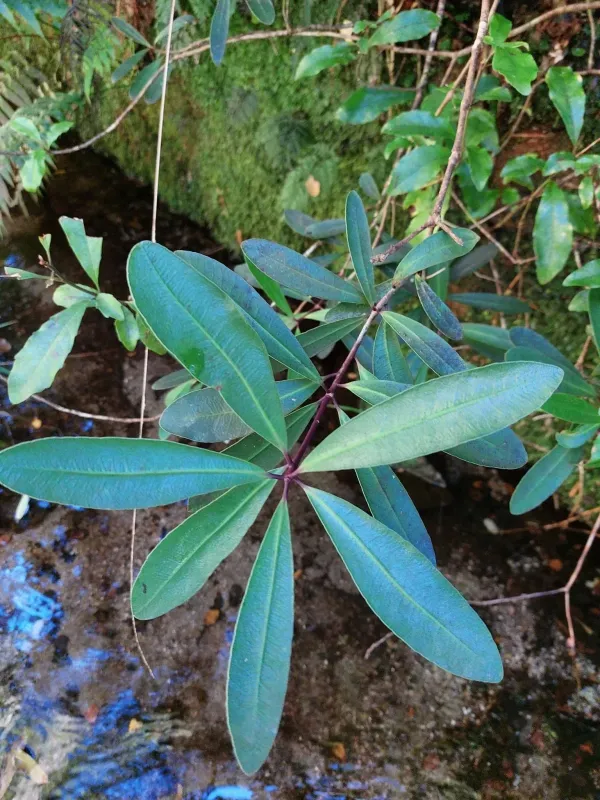
Description
Growing requirements
Pittosporum kirkii is a distinctive evergreen shrub belonging to the Pittosporaceae family, endemic to New Zealand. In its native habitat, it typically grows in forest margins and rocky outcrops, exhibiting a slow but steady growth habit.
The culture requires a temperate climate with high humidity levels to thrive, as it is sensitive to extreme heat and prolonged frost. Successful cultivation in non-native regions is largely limited to glasshouses or protected environments where temperature is strictly controlled.
A well-draining, slightly acidic soil profile is critical for this species. Growers should utilize a substrate mix rich in organic matter, such as composted bark or leaf mold, combined with grit to ensure excellent aeration and prevent root rot.
Light requirements involve bright, filtered sunlight. Exposure to harsh midday sun can lead to leaf scorching, while overly dark conditions will significantly reduce the density of the foliage and hinder the overall vigor of the shrub.
Agronomic management includes consistent, moderate watering during the growing season. It is vital to allow the top layer of soil to dry out slightly between waterings, as the root system is particularly prone to damage from waterlogging.
Main diseases and pests
The most common pests affecting Pittosporum kirkii are scale insects and spider mites, which thrive in stagnant, dry indoor air. Routine monitoring of the underside of the foliage is essential to detect early signs of infestation.
Root pathogens, particularly Pythium and Phytophthora species, are the primary cause of decline in poorly managed nursery stock. Ensuring adequate drainage and avoiding contaminated irrigation water are the best preventative measures.
Aphids often target young, succulent shoots during the spring. If left unmanaged, their feeding activity can cause leaf curling and serve as a vector for secondary viral infections that weaken the plant's structural integrity.
Powdery mildew may occur when humidity fluctuates significantly and airflow is restricted. Implementing regular pruning for better canopy ventilation significantly reduces the likelihood of fungal outbreaks in dense shrub growth.
Maintaining a healthy, stress-free plant through proper nutrient supply and optimal environmental control remains the best defense against pests and diseases. Preventive chemical applications should only be considered if environmental management fails.