
Pittosporum heterophyllum
Pittosporum heterophyllum Franch.
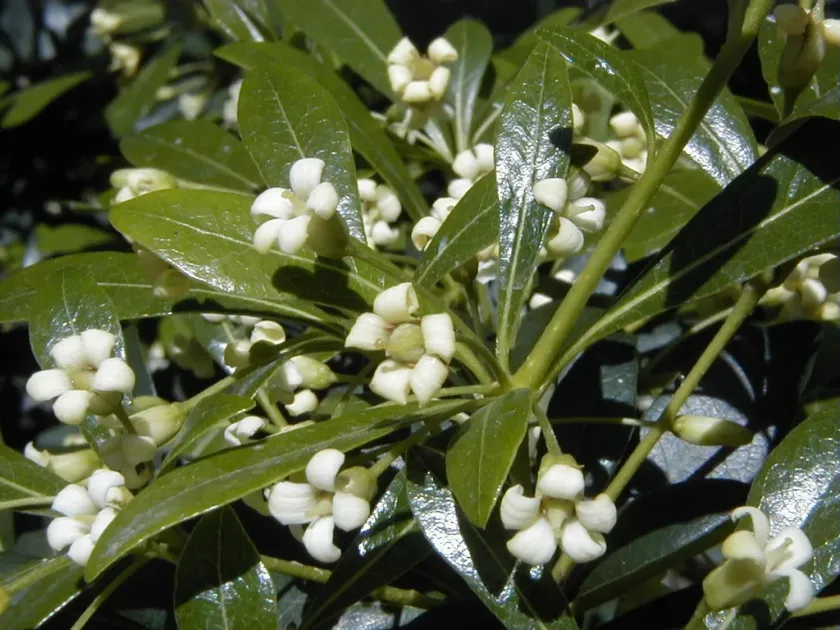
Description
Sowing dates
Pittosporum heterophyllum, belonging to the Pittosporaceae family, is propagated primarily through seeds or stem cuttings. Seed sowing is carried out in early spring in well-drained substrate, maintaining a stable temperature of approximately 20–22 degrees Celsius.
When using the cutting method, semi-hardwood shoots are harvested in late summer or early autumn. For rooting, light soil mixes with added perlite are used, maintaining high humidity until initial roots appear.
The plant is slow-growing, so when cultivating it as an agricultural or nursery crop, ensuring correct planting spacing is essential. In nursery conditions, the distance between seedlings should be at least 1.5 meters for proper crown development.
Transplanting young plants to open ground should only be performed after all danger of night frost has passed. The root system is sensitive to soil compaction, making it vital to prepare planting holes with a high-quality drainage layer beforehand.
Seedling adaptation requires gradual exposure to sunlight if plants were previously grown in a greenhouse. In the first few months after planting, partial shading is recommended to prevent sunscald on young foliage.
Growing requirements
This species is native to mountainous regions of China and prefers a moderately warm climate. Pittosporum heterophyllum is not fully frost-hardy, so in regions with harsh winters, it is cultivated as a container plant and moved indoors.
The crop is demanding regarding soil composition: an ideal substrate is slightly acidic or neutral with high organic content. It is critical to avoid waterlogging, which rapidly leads to the development of root rots.
The plant prefers well-lit areas but can tolerate partial shade. Under intense sunlight, the decorative quality of the foliage increases, provided there is regular watering to prevent turgor loss.
During the active growth period, it is necessary to apply complex mineral fertilizers with reduced phosphorus content. Organic amendments like compost are applied in spring to improve the soil structure.
The plant's moisture requirements necessitate strict irrigation control. During summer, the soil must remain consistently moist, while in winter, when kept in cool conditions, watering should be reduced to a minimum.
Main diseases and pests
Pittosporum heterophyllum is susceptible to typical pests of both indoor and outdoor environments, including scale insects and mealybugs. These suck sap from young shoots, weakening the plant's overall resistance.
The spider mite poses a significant threat in low humidity conditions. Their presence is indicated by fine webbing on the underside of leaves, requiring immediate treatment with acaricides.
Root rots are the primary threat when irrigation protocols are not followed. Fungal pathogens spread rapidly in saturated substrates, damaging the plant's vascular system.
Leaf spots may appear due to poor ventilation, particularly in dense plantings. Prevention consists of regular crown pruning to ensure proper air circulation.
To combat diseases and pests, integrated pest management (IPM) methods are recommended. Using biological agents and maintaining strict phytosanitary control allows for minimized chemical pressure on the soil.