
Pittosporum anomalum
Pittosporum anomalum Laing & Gourlay
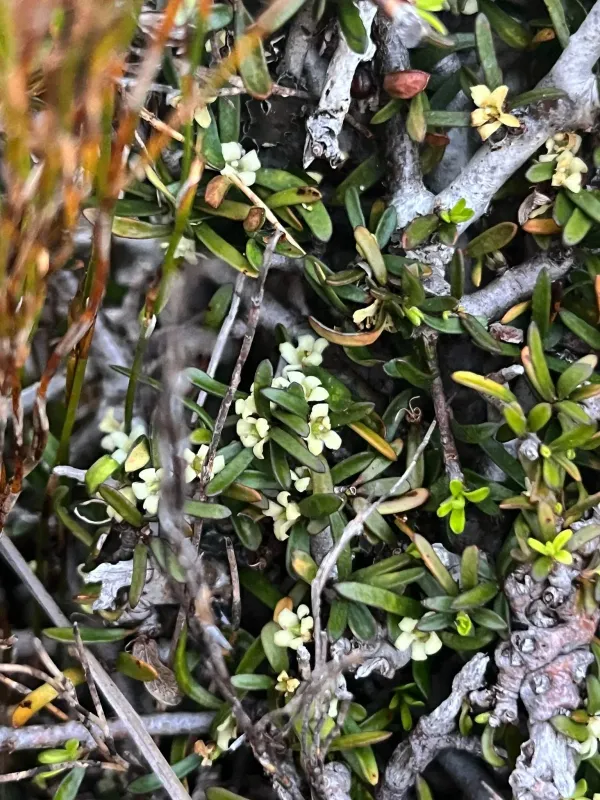
Description
Sowing dates
Propagation of Pittosporum anomalum is typically achieved through seeds or stem cuttings in a controlled nursery environment. The ideal time for seed sowing is early spring, when soil temperatures stabilize between 18 and 20 degrees Celsius.
For vegetative propagation, semi-hardwood cuttings are preferred, planted in a light, well-draining medium rich in perlite and peat. Maintaining high humidity is critical during the first few weeks to ensure successful root development.
Seeds of this species often exhibit a natural dormancy period, requiring stratification to improve germination rates. The germination process is generally slow and may require a consistent temperature to achieve uniform results.
Young seedlings should be gradually acclimated to outdoor conditions before transplanting. It is advisable to move plants to their permanent location in late spring to avoid the risk of late frost damage to tender growth.
Proper spacing is essential as the shrub grows slowly but requires adequate airflow to prevent fungal issues. Planning for the final size of the plant helps maintain healthy development without unnecessary competition for resources.
Growing requirements
Pittosporum anomalum belongs to the Pittosporaceae family and is native to New Zealand, which dictates its preference for temperate, moderate climates. The species thrives in areas without extreme temperature fluctuations.
The plant requires well-drained soil with a neutral to slightly acidic pH level. Waterlogging in the root zone is particularly harmful, making effective drainage a priority for any planting site or container setup.
This shrub is highly resistant to wind, making it an excellent candidate for coastal landscaping and hedging. In regions prone to harsh winters, however, the plant requires protection or must be housed in a greenhouse.
Light requirements are best met with bright, indirect sunlight, as intense midday sun can scorch the foliage. Partial shade is often ideal to preserve the plant's natural, compact, and dense growth habit.
During the active growing season, moderate fertilization with balanced mineral nutrients is beneficial. Excessive nitrogen should be avoided to prevent leggy, weak growth that can compromise the structural integrity of the shrub.
Main diseases and pests
Common pests affecting this species include scale insects and mealybugs, which feed on the sap of young shoots. Infestations often cause leaf curling and the development of sooty mold on the surface of the plant.
Root rot, primarily caused by Phytophthora fungi, is a common issue when soil moisture is poorly managed. Prevention involves avoiding saturated soil and applying specialized fungicides at the first sign of foliage wilting or discoloration.
Leaf spot diseases can occur during prolonged periods of high humidity and poor air circulation. Regular pruning to thin out the canopy is a recommended practice to increase airflow and reduce the incidence of fungal spores.
Spider mites are a persistent threat in greenhouse environments, particularly when air humidity is low. Periodic misting and diligent monitoring are essential to keep populations under control throughout the growing cycle.
An integrated pest management approach, including biological controls and targeted horticultural sprays, is recommended to keep Pittosporum anomalum healthy and maintain its decorative appearance year-round.