
Smooth pittosporum
Pittosporum glabratum
Description
Growing requirements
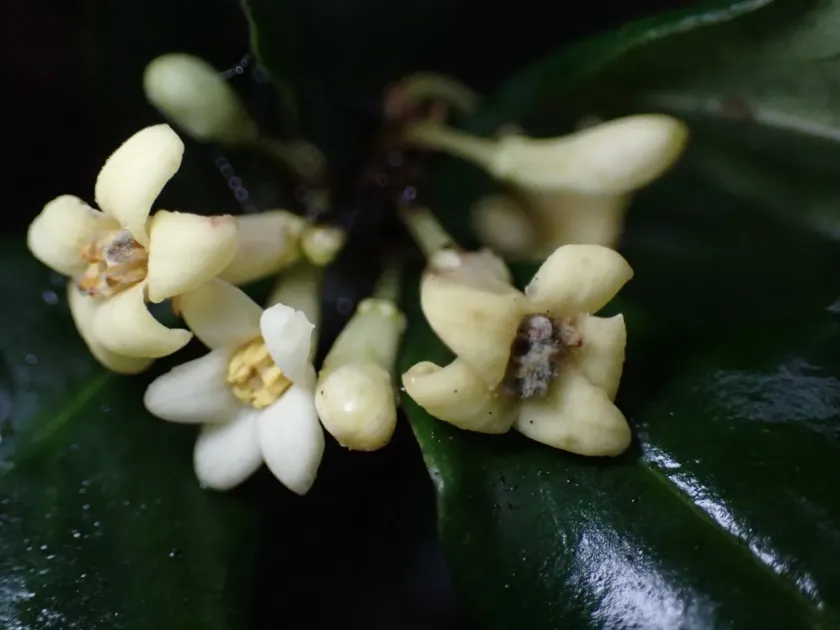
Smooth pittosporum (Pittosporum glabratum) is an evergreen ornamental shrub belonging to the Pittosporaceae family. Native to the subtropical regions of China, this species is highly valued for its dense, glossy foliage and fragrant flowers that bloom in clusters.
Botanically, the plant is characterized by leathery leaves that are alternate and smooth to the touch, which gives the species its common and specific epithet. It typically grows as a compact shrub but can reach the size of a small tree under optimal conditions in a frost-free climate.
The cultural requirements demand well-draining, nutrient-rich soil with a slightly acidic to neutral pH. Proper soil structure is essential, as the roots are highly susceptible to rot if they remain submerged in stagnant water for an extended period.
Climate needs are strictly subtropical, requiring protection from harsh winds and extreme freezing temperatures. In regions with cooler climates, it is often grown in containers so it can be moved indoors or into a greenhouse during the winter months.
Agrotechnical maintenance involves consistent but moderate irrigation, ensuring the top layer of the substrate dries out between watering intervals. Light pruning after flowering helps maintain the desired shape and encourages the development of a denser branching structure.
Main diseases and pests
The primary pests affecting Pittosporum glabratum are scale insects and mealybugs, which tend to congregate in the leaf axils or on the undersides of leaves. These pests sap the plant's vitality and may require multiple applications of systemic insecticides for complete eradication.
Spider mites can be a significant issue in indoor environments where air humidity is consistently low. Their presence is marked by fine webbing and yellowing leaves, which necessitates increasing ambient moisture and using appropriate miticides.
Root rot caused by Phytophthora or other pathogens is a common threat triggered by poor drainage or overwatering. Once established, this disease is difficult to treat, often requiring the complete removal of the affected root system or disposal of the plant.
Leaf spot diseases often occur due to poor air circulation and excessive humidity levels. These fungal infections cause unsightly blemishes on the foliage and can lead to premature leaf drop if left untreated by fungicides.
Effective pest and disease management centers on early detection and maintaining optimal growing conditions. Regularly wiping the leaves and ensuring adequate spacing between plants significantly reduces the likelihood of outbreaks and promotes healthy growth.