
Rusty-leaf pittosporum
Pittosporum ferrugineum
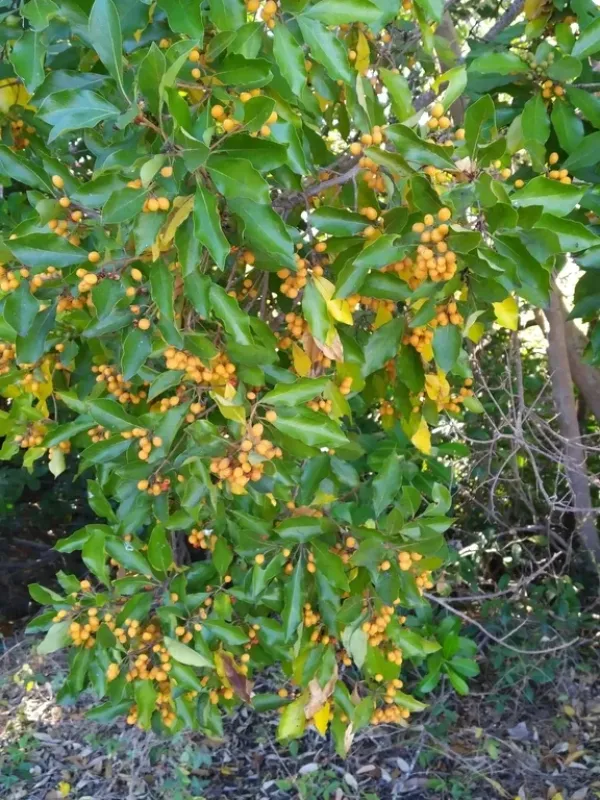
Description
Growing requirements
Rusty-leaf pittosporum (Pittosporum ferrugineum) is an evergreen woody plant belonging to the Pittosporaceae family, typically found in tropical environments.
Native to Southeast Asia and Northern Australia, this species naturally thrives in coastal rainforests where high humidity and warm temperatures prevail year-round.
The cultivation of this plant requires well-draining, nutrient-rich soils with a slightly acidic to neutral pH level to ensure optimal root development.
It is a frost-sensitive species, meaning it must be protected from cold snaps and freezing temperatures to prevent permanent tissue damage or death.
Adequate irrigation is essential during the dry season, as the plant relies on consistent moisture levels to maintain its dense foliage and healthy growth rate.
Main diseases and pests
Common pests affecting this crop include scale insects and mealybugs, which tend to congregate on the undersides of leaves and along young stems.
Fungal pathogens causing root rot can significantly hinder growth if the planting site lacks proper drainage or if the plant is subjected to waterlogging.
Leaf spot diseases are occasionally observed, particularly in environments with poor air circulation and persistently high ambient humidity levels.
Managing the plant's health involves early detection of infestations and the judicious use of horticultural oils or systemic pesticides when necessary.
Maintaining a clean growing environment and preventing cross-contamination are critical strategies for mitigating the impact of typical garden pests and diseases.
Harvesting
In terms of agricultural and horticultural utility, Pittosporum ferrugineum is primarily grown for ornamental purposes in tropical and subtropical landscapes.
It is widely utilized in garden architecture for forming dense hedges, screen plantings, and decorative borders due to its resilient and glossy foliage.
The plant is valued for its ability to withstand pruning, making it a suitable choice for managed landscape designs and various architectural shrub forms.
Research into the secondary metabolites found within the leaves and bark of this species continues to be of interest for potential medicinal applications.
Seed harvesting typically occurs when the fruits turn brown and begin to dehisce, indicating they are ready for collection and subsequent cleaning for propagation.