
Pistorinia breviflora
Pistorinia breviflora
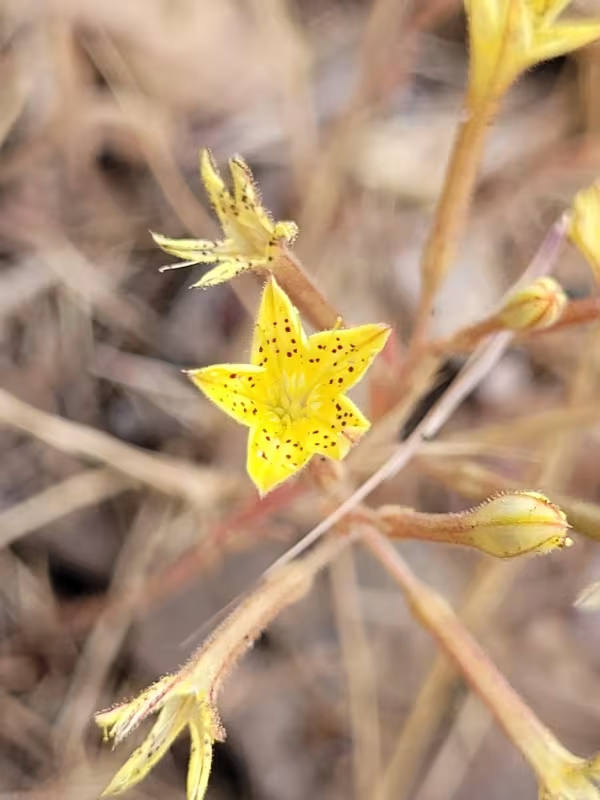
Description
Growing requirements
Pistorinia breviflora is a distinctive member of the Crassulaceae family, recognized for its exceptional adaptation to arid environments. In the field of agronomy, it is studied for its ability to thrive in harsh climates where conventional water-intensive crops fail.
The plant originates from the dry regions of North Africa and the Iberian Peninsula. Its biological mechanisms are focused on moisture retention, utilizing succulent leaves to survive prolonged periods of drought, which makes it a subject of interest for sustainable agriculture in desert zones.
Botanically, Pistorinia breviflora displays a compact growth habit with fleshy, succulent structures that allow it to minimize transpiration. It performs best in well-draining, sandy, or rocky soils that prevent root rot, which is the most critical factor in its successful cultivation.
Agricultural requirements include intense sunlight and minimal moisture input. Growers must ensure that the planting site has excellent drainage, as the plant is highly intolerant of water stagnation. Standard agricultural practices for this crop prioritize soil aeration over soil fertility.
Economically, this plant offers potential as a specialized ornamental or as a pioneering species for soil stabilization in arid lands. Its resilience makes it a valuable resource for maintaining ground cover in areas vulnerable to desertification and erosion.
Main diseases and pests
The primary threat to Pistorinia breviflora is fungal decay caused by excessive soil moisture and poor drainage. Once moisture levels exceed the plant's capacity, root tissues rot rapidly, often leading to total loss of the stand if not managed through precise irrigation control.
Pests such as mealybugs and spider mites represent a secondary but significant threat to crop health. These organisms often exploit plants that are stressed by improper environmental conditions, making consistent monitoring and environmental management the best form of pest prevention.