
Piper kadsura
Piper kadsura
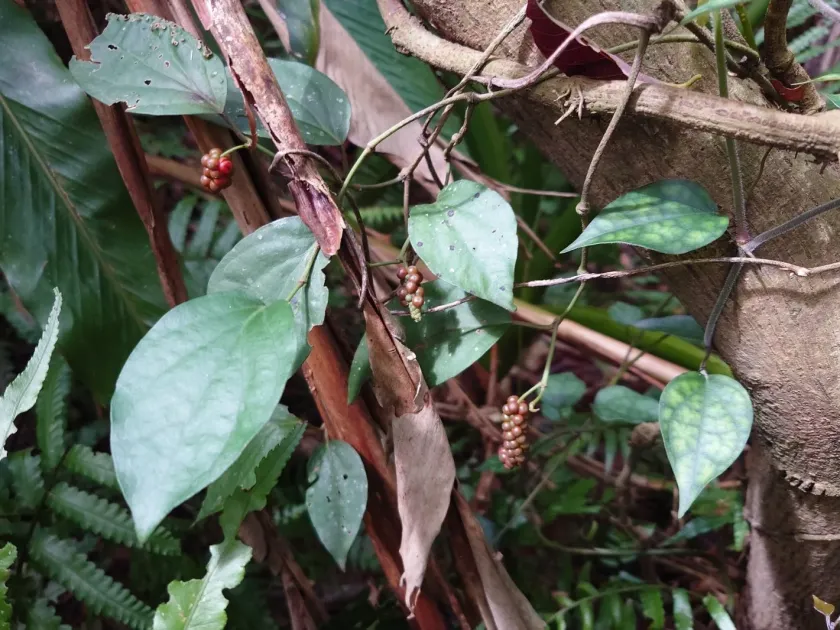
Description
Sowing dates
Propagating Piper kadsura for agricultural purposes is primarily done through cuttings, as this method ensures the retention of the plant's characteristic genetic traits. Planting should be carried out in the spring once the soil has warmed sufficiently.
Seed propagation requires stratification and the use of greenhouse facilities to maintain stable germination temperatures. Seeds should be sown in loose, well-draining substrate at a depth of no more than 1 centimeter.
The optimal time for transplanting into open ground or containers is late May or early June. It is essential to ensure a gradual adaptation period for the plants to outdoor conditions using a hardening-off process.
The planting scheme requires a spacing of at least 50–60 centimeters between plants to account for the vine-like growth habit. This spacing prevents overcrowding and facilitates necessary air circulation.
Applying mulch immediately after planting helps maintain consistent soil moisture levels and protects the root system from overheating during the peak summer heat.
Growing requirements
Piper kadsura is a perennial evergreen plant belonging to the Piperaceae family. In its native habitat, it thrives in the subtropical forests of East Asia, including Japan, Korea, and coastal regions of China.
This crop prefers semi-shaded areas protected from intense direct sunlight, which can cause scorching on its large, glossy leaves. As a woody vine, the plant requires sturdy vertical support systems to grow properly.
Soil requirements include light, well-draining substrates rich in organic matter. An ideal pH level for the soil is slightly acidic to neutral, which supports optimal nutrient uptake for the plant.
The plant is highly sensitive to waterlogging, making a high-quality drainage layer essential, especially when grown in containers. Watering should be moderate yet consistent during the active growth phase.
Environmental conditions should mimic a humid subtropical climate. Piper kadsura struggles in dry indoor air, necessitating frequent misting or the use of humidifiers in non-natural settings.
Main diseases and pests
Spider mites and scale insects are the most common pests, often appearing when humidity levels are not maintained. Systemic insecticides are effective for management when infestations are detected early.
Root rots pose a significant risk if the soil is kept too wet or if the growing medium lacks proper aeration. Prevention focuses on moisture management and the use of fungicides at the first sign of distress.
Powdery mildew can occur in environments with high humidity and poor ventilation. Pruning and ensuring adequate spacing between leaves are essential cultural practices for preventing fungal growth.
Aphids can cause damage to tender new shoots by feeding on plant sap. Simple remedies such as insecticidal soaps or biological control agents are usually effective in keeping aphid populations in check.
Root-knot nematodes are particularly challenging pests that affect the underground structure, making pre-planting soil sterilization and the selection of disease-free propagation stock vital for success.