
Wang's pine
Pinus wangii
Description
Growing requirements
Wang's pine (Pinus wangii) is a distinct coniferous species belonging to the Pinaceae family. It is a rare pine native to the high-altitude mountain regions of Yunnan province, China, where it occupies specific ecological niches.
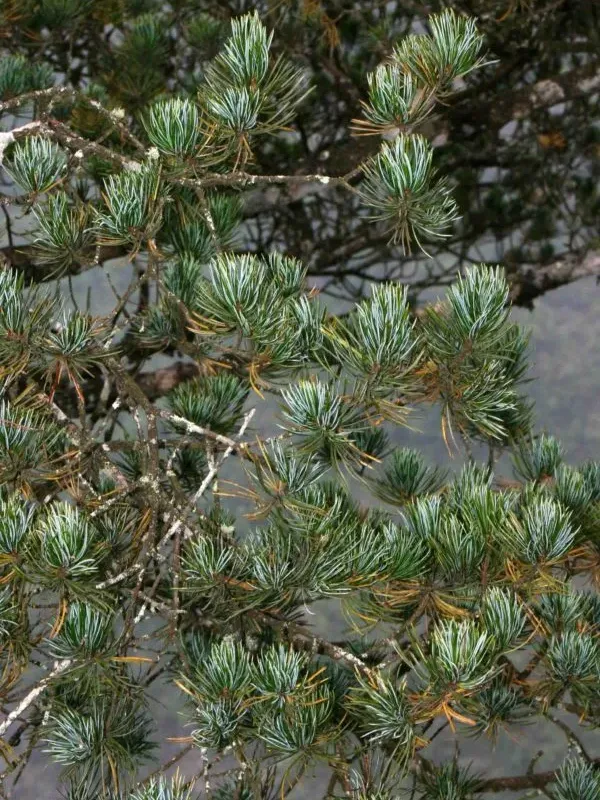
This species is classified within the white pine group and is noted for its fine, needle-like foliage organized in bundles of five. Its growth habit is typically slow, forming a medium-sized tree that serves as a vital component of its endemic ecosystem.
The climatic requirements for Pinus wangii involve mild to cool mountain conditions. It thrives in environments with high atmospheric humidity but requires well-drained, nutrient-poor, rocky or gravelly soils that mirror its natural alpine habitat.
Regarding silviculture, the cultivation of Wang's pine requires careful site selection. Heavy or clay-rich soils should be avoided at all costs, as the species is highly susceptible to root rot when water drainage is inadequate.
Due to its conservation status, the tree is primarily managed within specialized botanical collections rather than for commercial timber production. Its ecological role focuses on preventing soil erosion on steep mountain slopes.
Main diseases and pests
The main threats to the health of Wang's pine include various fungal pathogens, specifically those that target the foliage during periods of stagnant air and high humidity. Proper site aeration is the primary method of disease prevention.
Insect pests such as pine aphids and bark beetles remain significant concerns for the species, especially in cultivated settings where the tree is outside its native protective ecological balance. Integrated pest management is essential for long-term survival.