
Hispaniolan pine
Pinus occidentalis
Description
Growing requirements
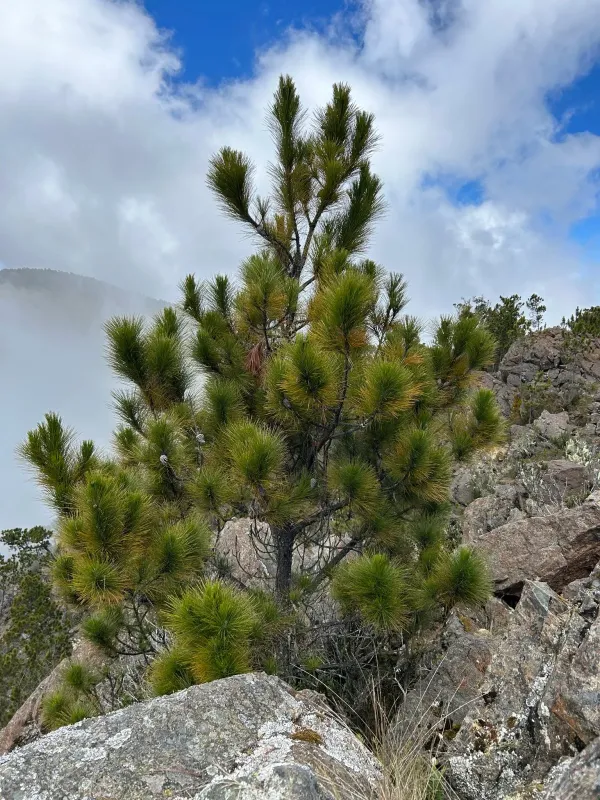
The Hispaniolan pine (Pinus occidentalis) is a majestic evergreen conifer belonging to the Pinaceae family. Native exclusively to the island of Hispaniola, this species thrives in high-altitude mountain forests, typically ranging from 800 to over 3,000 meters above sea level.
Cultivation of this species requires well-drained, acidic to neutral soils. In its natural habitat, it demonstrates impressive resilience on rocky and nutrient-poor substrates, reflecting its evolutionary adaptation to the rugged topography of the Caribbean highlands.
Climate requirements include a tropical highland environment with significant diurnal temperature ranges. While it tolerates occasional frost at higher elevations, it is not suited for severe, prolonged cold winters, which makes site selection crucial for successful forestry or landscape planting.
Sunlight is a primary factor for the development of Pinus occidentalis. Young trees require full exposure to reach their maximum growth potential; lack of light leads to poor crown development, reduced needle density, and increased susceptibility to environmental stressors.
During the establishment phase, site management should focus on maintaining proper moisture levels through mulching. Although mature trees are relatively drought-tolerant, consistent watering of saplings during the first years after planting is essential for long-term health.
Main diseases and pests
Primary threats to the Hispaniolan pine include bark beetles, which are known to cause significant mortality in forest stands. These insects penetrate the bark, disrupting the vascular system and often introducing secondary fungal pathogens that can kill the tree.
Fungal diseases such as needle cast and rusts pose a substantial risk, especially in nurseries or areas with poor air circulation. High humidity and standing water increase the likelihood of these outbreaks, necessitating careful site planning and monitoring.
To maintain plantation health, it is vital to practice strict sanitation measures, including the immediate removal and destruction of infested branches or downed timber. This limits the spread of spores and reduces breeding grounds for harmful insects.
Animal browsing represents another challenge, particularly for juvenile trees. Deer and other herbivores can damage the protective bark layer, creating entry points for pathogens and causing physical deformation that stunts the tree's growth trajectory.
Integrated Pest Management (IPM) strategies, which combine cultural practices, mechanical protection, and targeted application of approved fungicides or insecticides, are necessary to protect Pinus occidentalis plantations from reaching critical damage levels.