
Eucomis comosa
Eucomis comosa (Houtt.) Wehrh
Description
Sowing dates
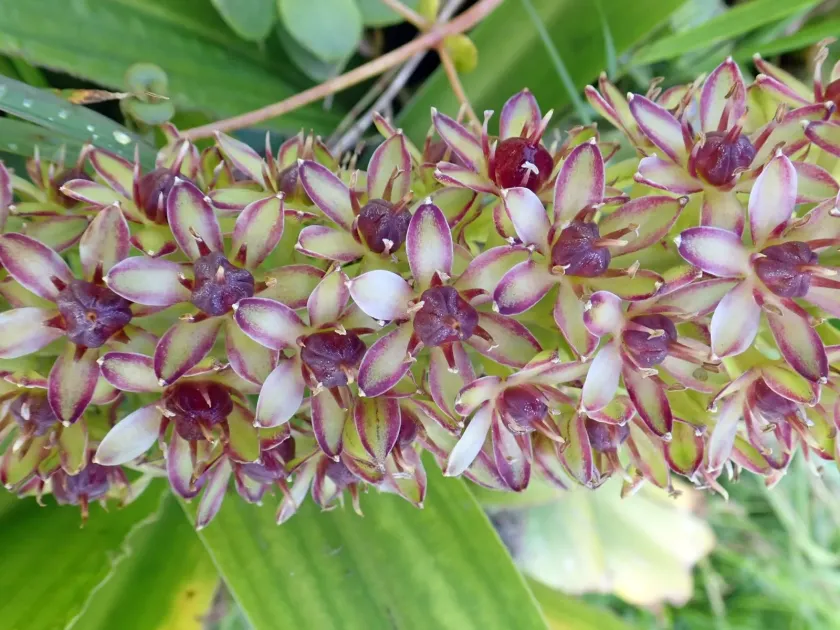
Eucomis comosa, commonly known as the pineapple lily, is a perennial bulbous plant belonging to the Asparagaceae family. Originating from South Africa, it is widely valued in horticulture for its exotic, terminal inflorescences that resemble a pineapple crown.
Planting of bulbs in open fields should occur during spring, once the threat of frost has passed. Typically, in temperate regions, this is scheduled for late April or May, ensuring the soil has adequately warmed up to support root development.
The bulbs should be planted at a depth of approximately 10-15 centimeters, depending on the bulb size. A critical aspect is ensuring that the neck of the bulb remains near or at the soil surface to prevent rot and encourage healthy sprout emergence.
A planting distance of 20-30 centimeters between bulbs is recommended to provide sufficient airflow and nutrient space. This spacing is vital to reduce humidity around the base of the plant, which minimizes the risk of fungal infections.
For early bloom production, growers may opt to start bulbs in containers in late winter. This method allows for a controlled environment, ensuring the plants are well-established and ready for transplantation when outdoor conditions are stable.
Growing requirements
This crop requires a sunny position to thrive. Full sun exposure is essential, as shading can lead to elongated, weak stems and significantly reduced flowering capacity, which diminishes the ornamental value of the crop.
Soil must be fertile and exceptionally well-drained. Eucomis comosa cannot tolerate waterlogged conditions, which lead to bulb decay. Incorporating organic matter, such as compost, improves soil structure and nutrient availability.
Watering should be consistent throughout the active growth period, especially during the formation of the flower spike. However, it is crucial to avoid overwatering; the soil should be kept moist but never saturated.
A balanced fertilizer program is recommended, focusing on higher potassium content during the mid-season. This nutrient supports the development of robust, sturdy flower stalks and improves the overall longevity of the blooms.
Temperature management is crucial; the plant prefers a warm climate between 20 and 25 degrees Celsius during growth. In colder climates, bulbs must be lifted after the first light frosts and stored appropriately for the winter.
Main diseases and pests
The primary concern for Eucomis cultivation is the development of fungal rot in the bulbs, typically triggered by poor drainage or excessive humidity. Regular inspections during the growth phase are essential for identifying early symptoms.
Disease prevention starts with high-quality, healthy bulbs and pre-planting fungicide treatments. Avoiding monoculture and practicing adequate crop rotation helps in maintaining a healthy soil environment for future growing seasons.
Slugs and snails are the most common pests, as they feed on the succulent foliage and shoots, potentially stunting growth. Mechanical barriers or eco-friendly baits are effective methods for managing these populations effectively.
Aphids may infest the flower spikes during warm, dry weather. If an infestation is detected, prompt action with insecticidal soap or systemic insecticides is necessary to protect the quality of the floral output.
Any plant showing signs of systemic viral infections, such as mottled foliage or distorted growth, should be immediately rogued and destroyed. This is necessary to prevent the pathogen from spreading to healthy plant stocks.
Harvesting
The commercial use of Eucomis comosa is primarily focused on the cut flower industry and landscape design. Its durability and unique appearance make it an excellent choice for floral arrangements, where it can last up to two weeks.
Harvesting for cut flowers should occur when approximately half of the florets on the spike are open. This timing ensures the inflorescence continues to develop and maintain freshness after being placed in a vase.
At the end of the season, once the foliage begins to yellow and wither, it is time to lift the bulbs for storage. This ensures the plant is protected from winter temperatures and prepares it for dormancy.
Cleaned and dried bulbs should be stored in a cool, dry, and well-ventilated location at temperatures around 10-12 degrees Celsius. Proper storage conditions are essential for ensuring a high rate of successful re-sprouting in spring.
Producers often separate offsets (bulbils) during the harvesting process to propagate the plants. This allows for the gradual expansion of the planting area and the maintenance of a high-quality, healthy bulb stock for future production.