
Eucomis vandermerwei
Eucomis vandermerwei I. Verd.
Description
Growing requirements
Eucomis vandermerwei is a distinctive bulbous plant belonging to the Asparagaceae family. Native to the high-altitude regions of South Africa, this species is highly valued for its unique compact form and striking foliage.
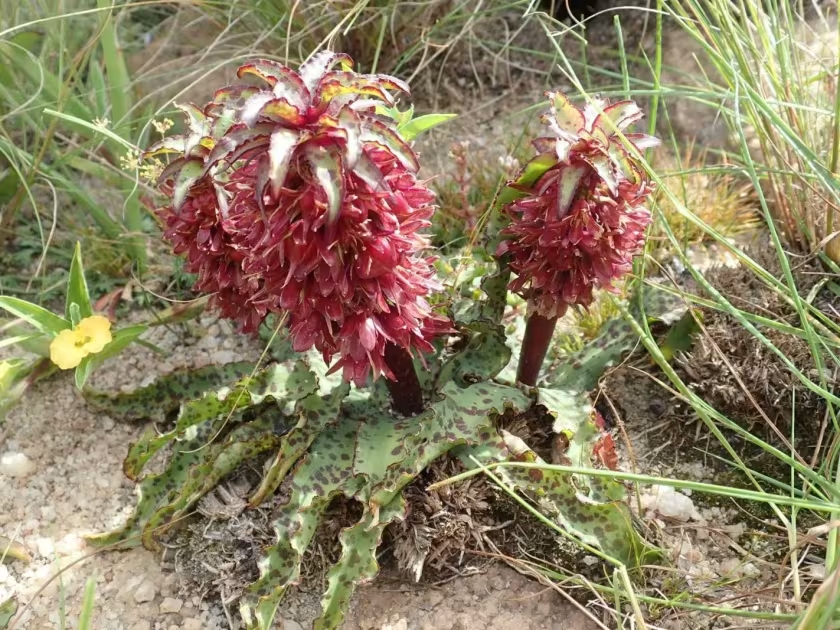
Botanically, the plant is characterized by its broad, spotted leaves featuring dark purple or brown markings. It produces a dense, pineapple-like inflorescence which serves as a significant ornamental feature in horticultural displays.
To ensure healthy growth, the plant requires well-drained, nutrient-rich soil with a neutral to slightly acidic pH. Proper drainage is essential to prevent bulb rot, which is the most significant risk to the plant's longevity.
The culture thrives in sunny, sheltered locations with plenty of indirect to direct light. In temperate climates, gardeners typically grow it in containers, allowing for easy relocation to indoor storage during the dormant winter season.
In terms of usage, Eucomis vandermerwei is predominantly used as a specimen plant for rock gardens, patios, and botanical collections. Its slow growth habit and exotic aesthetic make it a sought-after choice for specialized floral designs.
Main diseases and pests
Root rot, caused by excessive soil moisture and poor drainage, represents the primary threat to the plant. Gardeners must adhere to a strict watering schedule to ensure that the medium remains moist but never waterlogged.
Slugs and snails are common pests that feed on the succulent foliage, particularly in damp outdoor conditions. Control measures should include regular monitoring and the use of physical barriers or targeted bait to protect the leaves.
When cultivated in greenhouses, spider mites can become an issue if the air is kept too dry. Maintaining adequate humidity and ensuring good air circulation are effective ways to mitigate the risk of mite infestations.
Inadequate light exposure often results in etiolation and weak, pale foliage. Such physiological stress reduces the plant's overall resistance to pathogens, potentially leading to secondary infections throughout the growth cycle.
Preventative measures, such as treating bulbs with appropriate fungicides before planting, are crucial for long-term health. Regularly inspecting the base of the plant for signs of decay is recommended to ensure early intervention if problems occur.