
Canarium ovatum
Canarium ovatum Engl.
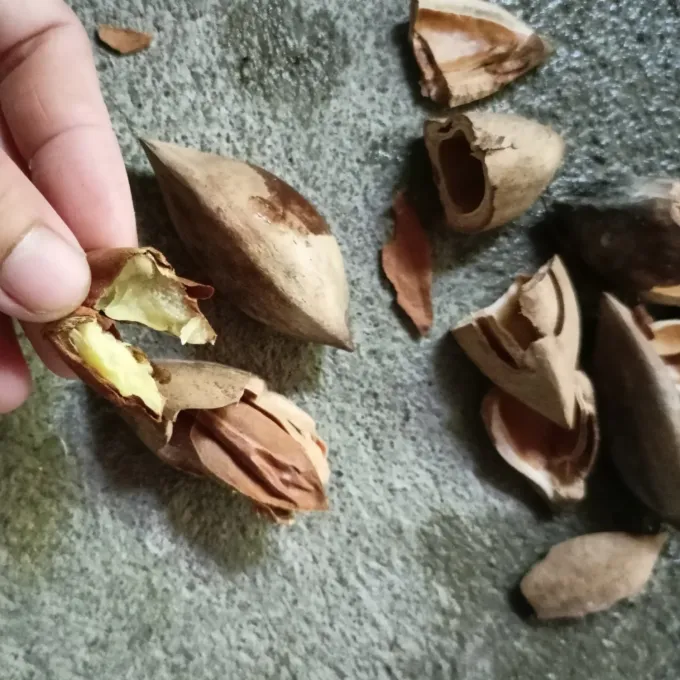
Description
Growing requirements
Canarium ovatum, commonly known as the Pili nut, is a perennial tropical tree belonging to the Burseraceae family. Native to the Philippines and surrounding regions, this tree can grow up to 20 meters tall and is highly valued for its nutrient-dense edible kernels.
The crop thrives in humid tropical climates characterized by consistent rainfall throughout the year. It requires temperatures ranging from +25°C to +30°C and is extremely sensitive to cold, with even minor frosts proving fatal to young plantations.
Deep, fertile, and well-drained soils are essential for successful cultivation. The tree does not tolerate waterlogging, meaning areas with high water tables should be avoided for commercial production. Ideal soil pH ranges between 5.5 and 6.5.
Young trees require protection from strong winds due to their relatively fragile root systems in the early stages of development. Agronomic practices often involve shading young seedlings to prevent heat stress and excessive moisture loss until they are well-established.
Propagation for commercial orchards is primarily achieved through grafting superior scions onto seed-grown rootstocks. This method ensures genetic consistency, uniform fruit quality, and significantly reduces the time required for the trees to reach productive maturity.
Yield
Grafted Pili trees typically begin bearing fruit between the 5th and 7th year after planting. The tree remains productive for several decades, with yield capacity increasing steadily until it hits its peak between the 15th and 20th years of life.
A mature, healthy tree can produce between 30 to 50 kilograms of nuts in the shell per season. Total yields depend heavily on proper nutrient management, regular pruning, and the presence of cross-pollination partners within the plantation.
Flowering usually occurs during the dry season, followed by a fruit development period lasting approximately 6 to 9 months. The fruits are drupes containing a hard, woody shell that protects a rich, buttery kernel high in essential fatty acids and proteins.
Commercially, the crop is used in the food industry for high-end snacks and confections, while the oil extracted from the kernel is increasingly sought after by the cosmetic industry for its moisturizing properties.
Industry standards suggest that a planting density of 100 to 120 trees per hectare is optimal for maximizing economic returns, provided that best practices in irrigation and fertilization are strictly followed in Southeast Asian growing regions.
Main diseases and pests
The primary threats to Pili nut plantations include various pests, specifically weevils and certain leaf-eating beetles, which can cause significant damage to foliage and developing fruit, leading to reduced harvest volumes.
Fungal pathogens represent a major concern, particularly in areas with excessive rainfall or poor air circulation. Regular pruning is necessary to open the canopy, improve airflow, and decrease the risk of fungal infections in the wood and roots.
Rodents pose a significant danger to young saplings by gnawing on the bark, which can ring the tree and lead to its death. Protective wire netting or physical barriers around the base of the trunk are standard measures in nursery and orchard management.
Improper irrigation management often results in root rot, a condition that is difficult to remediate once established. Monitoring soil moisture levels is vital for maintaining the long-term health and vigor of the entire plantation.
Adopting Integrated Pest Management (IPM) strategies helps reduce reliance on synthetic chemicals, ensuring the final product meets the quality standards required for the organic export market.
Harvesting
Harvesting is labor-intensive and is typically conducted manually by collecting fallen fruit or carefully picking mature drupes from the branches. The transition of the fruit skin color from green to dark purple or black serves as the primary indicator of ripeness.
Post-harvest processing must begin within 24 hours to remove the pulp from the nut. The pulp can be repurposed for culinary use or animal feed, while the nuts themselves must undergo thorough drying to ensure stability during storage.
Drying is performed either under direct sunlight or in controlled mechanical dryers until the kernel moisture content reaches 5–8%. This critical step prevents mold development and kernel degradation during shipping and storage.
The Pili nut shell is notably hard and thick, requiring industrial cracking equipment to access the kernel without damage. Automated mechanical crackers are the preferred solution for large-scale operations to maintain kernel integrity.
Once cracked, the kernels are sorted by size and quality before being vacuum-sealed. Proper packaging is essential to prevent the oxidation of the high-oil-content kernels, ensuring a long shelf life and premium taste for consumers.