
Canarium madagascariense
Canarium madagascariense Engl.
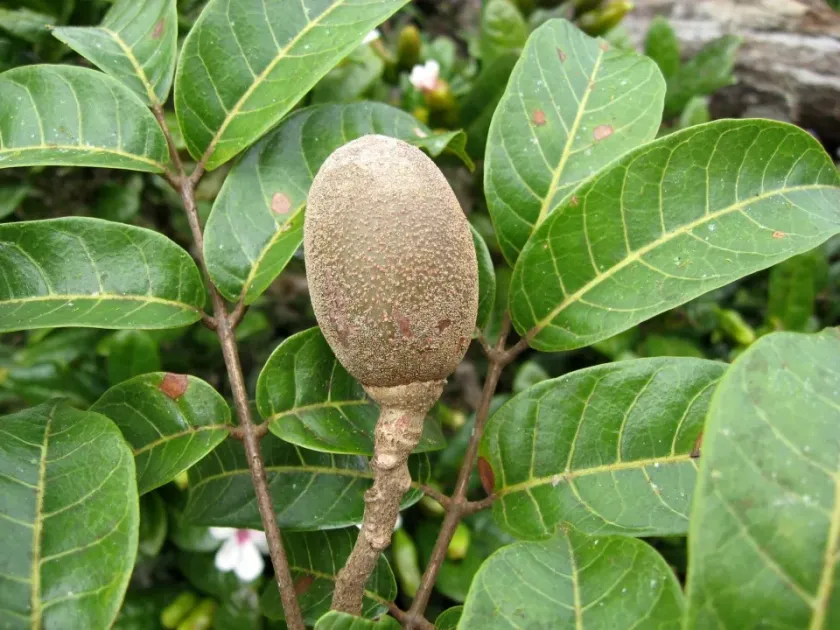
Description
Growing requirements
Canarium madagascariense is a majestic evergreen tree belonging to the Burseraceae family, native to the island of Madagascar. This species is known for its tall stature and resilient nature, playing a significant role in the local forest ecosystem and agricultural landscape.
The tree thrives in tropical climates characterized by warm temperatures and high humidity throughout the year. It performs best when grown in deep, fertile soils that provide excellent drainage, as the species is highly sensitive to waterlogged environments.
Sunlight requirements are substantial, as the tree is heliophilic and requires open areas to develop a healthy canopy. Proper spacing during planting is essential to prevent overcrowding and to ensure each tree receives adequate airflow and solar energy.
Agricultural management includes regular weeding of the area beneath the canopy during the tree's formative years. Irrigation is particularly critical during the dry seasons to maintain metabolic functions and support the development of high-quality wood.
Cultivation practices also involve monitoring soil nutrient levels to ensure optimal growth. While the species is well-adapted to its native habitat, applying balanced organic mulch can help retain moisture and enhance the overall health of the soil structure.
Yield
The primary economic use of Canarium madagascariense is the production of edible nuts, which are rich in oils and nutrients. These nuts are a traditional food source and are often harvested by local communities for subsistence and trade.
The timber of this tree is highly regarded for its durability and aesthetic appeal. It is commonly utilized in woodworking, furniture making, and construction, making it an economically valuable species within the regional forestry sector.
In addition to timber and nuts, the tree yields a valuable resin. This substance, extracted from the bark, has long been used in traditional medicine and possesses anti-inflammatory and antiseptic properties that are explored in various industrial applications.
Productivity levels depend heavily on the maturity of the tree and local environmental conditions. Regular harvesting of the fruit requires a methodical approach to prevent damage to the tree's bark, which is crucial for continued resin production.
Post-harvest processing involves drying the harvested nuts in well-ventilated areas to reduce moisture content. Proper handling after collection is vital to maintaining the nutritional quality of the product and ensuring a shelf life suitable for market requirements.
Main diseases and pests
The species faces pressure from various tropical pests, particularly wood-boring insects that target the trunk and branches. These infestations can compromise the structural integrity of the tree and reduce its overall market value.
Fungal infections are a major concern during the rainy season, often manifesting as leaf spots or shoot blights. Consistent observation and the prompt removal of infected plant tissues are necessary to contain potential outbreaks within plantations.
Root system disorders are frequently caused by poor soil drainage. If water is allowed to stagnate around the base of the tree, it significantly increases the risk of root rot, which can lead to the rapid decline and death of the plant.
Invasive epiphytes and parasitic plants also represent a threat, as they may outcompete the tree for light and nutrients. Regular maintenance of the plantation helps to mitigate these competitive pressures and ensures the longevity of the trees.
Integrated pest management strategies are recommended, focusing on maintaining tree health through proper fertilization and pruning. By reducing physical stress on the plant, growers can enhance the tree's natural resistance to both pathogens and environmental stressors.