
Pilea peperomioides
Pilea peperomioides Diels
Description
Growing requirements
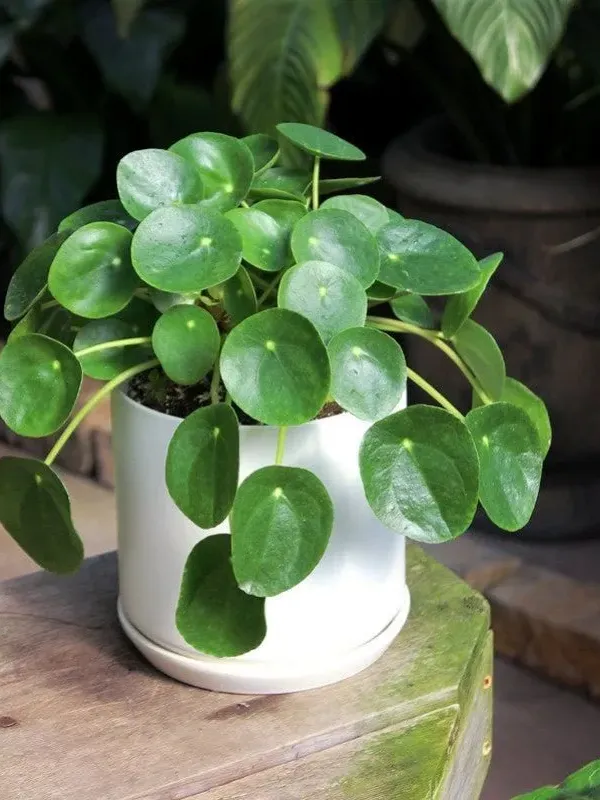
Pilea peperomioides, a member of the Urticaceae family, is a herbaceous perennial plant. It originates from the Yunnan province in China, where it grows in shaded, humid mountain areas.
The crop thrives in bright, indirect light. It should be kept away from harsh, direct sunlight, which can scorch its characteristic coin-shaped foliage and cause permanent damage.
Temperature preferences range from 18 to 25 degrees Celsius. It is sensitive to extreme cold and should be protected from temperatures dropping below 10 degrees Celsius.
Well-draining, nutrient-rich potting soil is essential for healthy root development. A mixture incorporating peat, sand, and perlite helps maintain an optimal balance of moisture and aeration.
Watering should be conducted only when the top layer of the soil has dried out. Maintaining consistent moisture without waterlogging is key to preventing root-related physiological disorders.
Yield
The agricultural and commercial value of Pilea peperomioides lies in its ornamental utility. It is a highly popular indoor plant widely sold across global floral and nursery markets.
Propagation yield is robust, as the mother plant naturally produces offsets (pups) from the rhizome. These can be harvested once they develop their own root systems.
Proper cultivation management ensures a symmetrical growth habit. Regular rotation of the pot is required to ensure that the stem grows vertically rather than leaning toward the light source.
While the plant can reach a height of 30 centimeters in indoor settings, it requires stake support as it ages to maintain its upright structure and overall structural integrity.
Commercial growers utilize controlled greenhouse environments to maximize foliage production and ensure a healthy, deep green leaf color, which determines the market grade of the plant.
Main diseases and pests
Pests such as spider mites and mealybugs are the primary threats to the health of the plant. These insects feed on the sap, causing yellowing and eventual drop of the leaves.
Overwatering is the leading cause of plant mortality, often leading to root rot and fungal infections like Phytophthora. Immediate repotting is required if symptoms appear.
Yellowing of lower leaves is a natural aging process, but if it occurs rapidly across the canopy, it usually indicates nutrient deficiency or improper watering levels.
To control pest infestations, manual removal with an alcohol-dampened cloth or the application of insecticidal soaps is recommended as a non-toxic initial treatment.
Ensuring adequate air circulation around the canopy is essential to prevent mold growth on the leaf surfaces, especially in environments with high humidity.