
Hybrid Pieris
Pieris formosa (Wall.) D. Don x Pieris japonica (Thunb.) D. Don ex G. Don
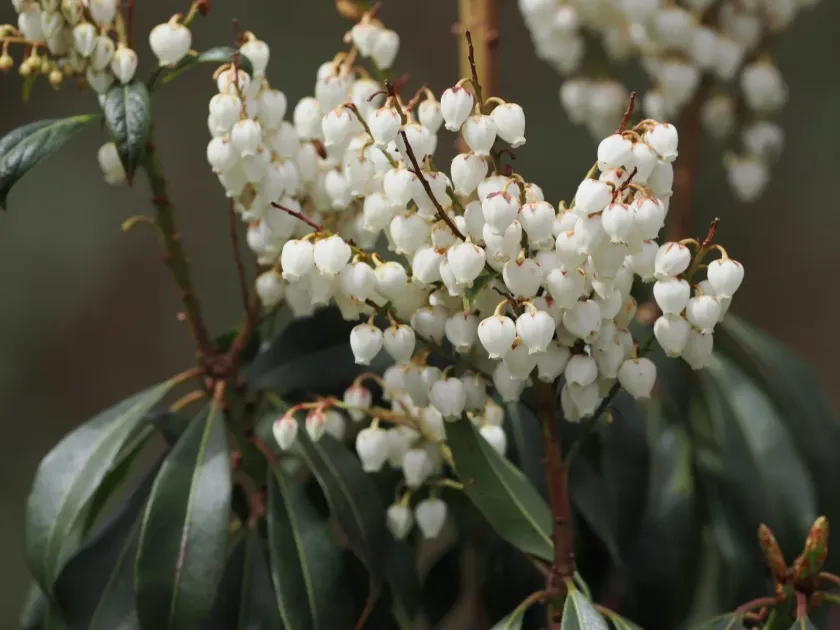
Description
Growing requirements
Hybrid Pieris (Pieris formosa x Pieris japonica) is an ornamental, evergreen shrub belonging to the Ericaceae family. It is highly valued in horticulture for its spectacular drooping flower clusters and vibrant, often bronze-red young foliage that matures into a deep glossy green.
The plant requires sheltered positions with partial shade to thrive. While it can tolerate some morning sun, exposure to harsh afternoon sunlight, especially in hotter climates, can scorch the foliage and reduce the plant's overall vigor and aesthetic appeal.
Soil conditions are critical for this species. It demands an acidic soil (pH 4.5 to 5.5) that is rich in organic matter and exceptionally well-drained. In heavy clay soils, raised beds or soil amendment with peat moss and pine needles is strictly recommended.
Consistent moisture levels are essential, particularly during the first few years of establishment. However, the root zone must never be waterlogged, as poor drainage is the most common cause of root rot and subsequent decline in garden settings.
Maintenance involves an annual application of organic mulch around the base to retain moisture and keep the root system cool. Fertilizing should only be done with specific acid-loving plant formulas, applied carefully during the early spring growth flush.
Main diseases and pests
The most significant pathological threat to Hybrid Pieris is Phytophthora root rot. This fungal disease is often triggered by poor soil drainage and excessive soil moisture, leading to the rapid wilting and eventual death of the affected plant.
Lace bugs are the primary insect pest associated with Pieris. They feed on the underside of leaves, causing a stippled, bleached appearance that eventually leads to leaf drop. Early identification and systemic insecticide application are vital for control.
Spider mites can also be problematic, especially during periods of dry, hot weather. They cause fine webbing and yellowing of the leaves. Regular misting of the foliage or the use of miticides is effective in preventing large-scale infestation.
Nutrient deficiency, specifically iron chlorosis, occurs when the soil pH rises above the optimal range. This physiological disorder hinders the plant's ability to absorb essential micronutrients, resulting in yellowing leaves with distinct green veins.
To ensure long-term health, growers should practice good sanitation by removing and destroying any dead or diseased foliage. Maintaining proper spacing between plants is also crucial to ensure adequate airflow and reduce the incidence of fungal spores.