
Lutz spruce
Picea x lutzii Little
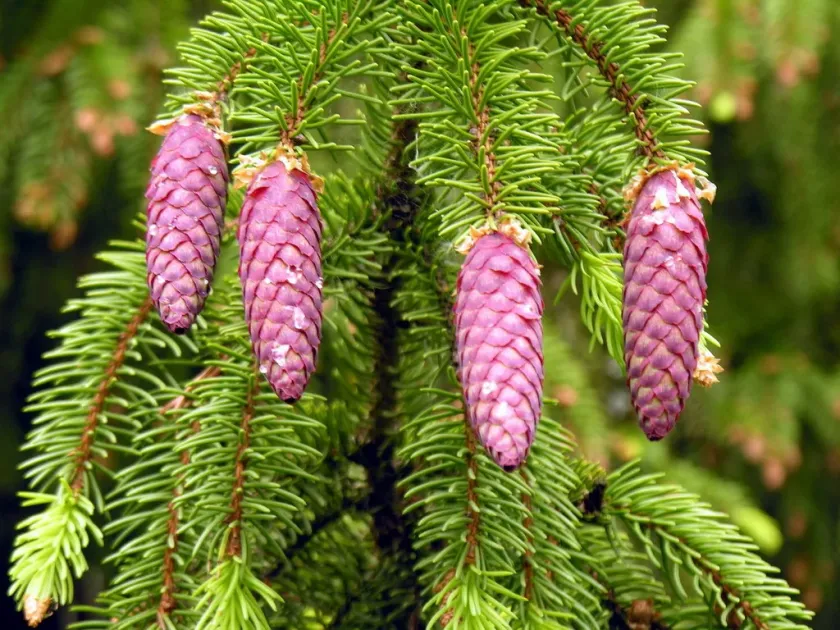
Description
Growing requirements
Lutz spruce (Picea × lutzii) is a naturally occurring hybrid originating from the cross-breeding of Sitka spruce (Picea sitchensis) and white spruce (Picea glauca). Belonging to the Pinaceae family, this tree exhibits hybrid vigor and environmental adaptability.
The native range of this species is primarily focused in Alaska and parts of Canada. It is highly valued in forestry for its ability to thrive in transition zones where maritime and continental climate conditions overlap, providing a robust growth habit.
Successful cultivation requires well-drained, nutrient-rich soils. The tree performs best in loamy substrates that maintain moisture levels without becoming waterlogged, as poor drainage can severely impact root development.
Botanically, the Lutz spruce displays a conical growth pattern with needles that reflect the characteristics of its parents. It is well-suited for temperate climates and shows notable resilience against harsh winter conditions.
The agronomic management includes selecting sites with adequate space for root expansion. Mulching around the base is recommended during the establishment phase to suppress weeds and retain soil moisture, ensuring steady growth rates.
Main diseases and pests
The species is susceptible to various fungal pathogens, such as needle cast diseases, which thrive in humid environments. Proper spacing between trees is critical to ensure airflow and reduce the humidity levels that favor these infections.
Pests like aphids and spruce budworms can cause significant damage to young foliage. Regular inspection of terminal shoots is necessary during the early stages of the growing season to detect early signs of infestations.
Bark beetles represent a major threat during dry spells or years of environmental stress. Maintaining the health of the stands through silvicultural thinning is the primary defense strategy against these insects.
Rodents may cause mechanical damage to the bark of juvenile trees during winter. Installing tree guards can significantly reduce damage from small mammals, preserving the integrity of the trunk and vascular system.
Integrated Pest Management (IPM) protocols should be applied to manage outbreaks. This involves monitoring population thresholds and using targeted chemical or biological treatments only when economic damage is imminent.