
Serbian spruce
Picea omorika (Pancic) Purk.
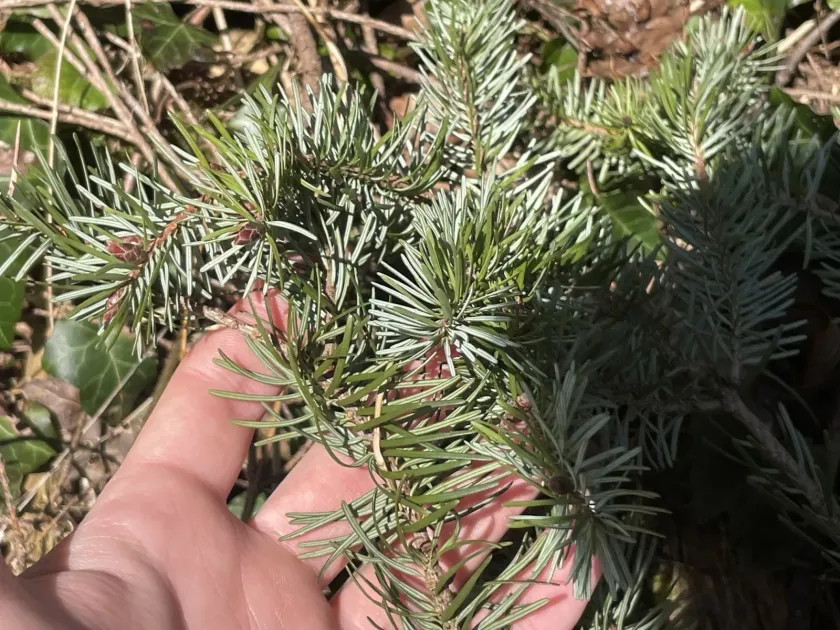
Description
Growing requirements
The Serbian spruce (Picea omorika) belongs to the Pinaceae family. It is an evergreen coniferous tree native to the Drina River valley in Serbia and Bosnia, where it grows in limestone terrains at altitudes reaching up to 1600 meters above sea level.
This species is highly valued for its adaptability to urban environments, demonstrating significant tolerance to air pollution. It prefers moist, well-drained loamy soils but thrives in various soil types provided that the water drainage is efficient and the root zone does not remain waterlogged.
Botanically, it is recognized by its narrow, columnar or pyramidal crown and distinctive foliage. The needles are dark green and glossy on the upper side, while the underside features two prominent white stomatal bands, providing an attractive silvery effect. The tree can reach a height of 20 to 30 meters.
In terms of horticulture and maintenance, Serbian spruce is relatively low-maintenance. It is shade-tolerant when young but develops its full, aesthetic potential when planted in full sun. Propagation is typically done via seeds, as cuttings have a very low success rate, which limits the availability of specialized clones.
Economically, Picea omorika is widely used in landscape design for parks and ornamental gardens. Its elegant, narrow silhouette makes it an ideal choice for specimen planting, screen hedging, or as a focal point in landscaping projects where space is limited but visual impact is desired.
Main diseases and pests
Although the Serbian spruce is generally robust, it is susceptible to certain fungal diseases. Needle cast diseases, often occurring in humid conditions, can lead to widespread needle drop and significantly affect the tree's health if left untreated with appropriate fungicides.
Rust infections on the needles, characterized by yellow pustules, can weaken the plant over several seasons. Proper hygiene, such as the removal of infected needles and branches, is essential to prevent the spread of fungal spores during the spring months.
Spruce aphids are significant pests that suck the sap from the needles, causing them to yellow and drop prematurely. This often results in a sparse, unattractive crown, especially during mild winters followed by dry springs when the insect population explodes.
Spider mites are another major threat, particularly during hot and dry weather. They thrive in dusty environments and can cause severe damage by draining the chlorophyll from the needles, leading to a dull, grayish-brown appearance of the entire tree foliage.
Proactive management includes regular monitoring for early signs of infestation and the use of targeted pesticides. Maintaining tree vitality through proper mulching and balanced fertilization ensures that the spruce has enough resistance to overcome minor pest attacks effectively.