
Ivory nut palm
Phytelephas macrocarpa
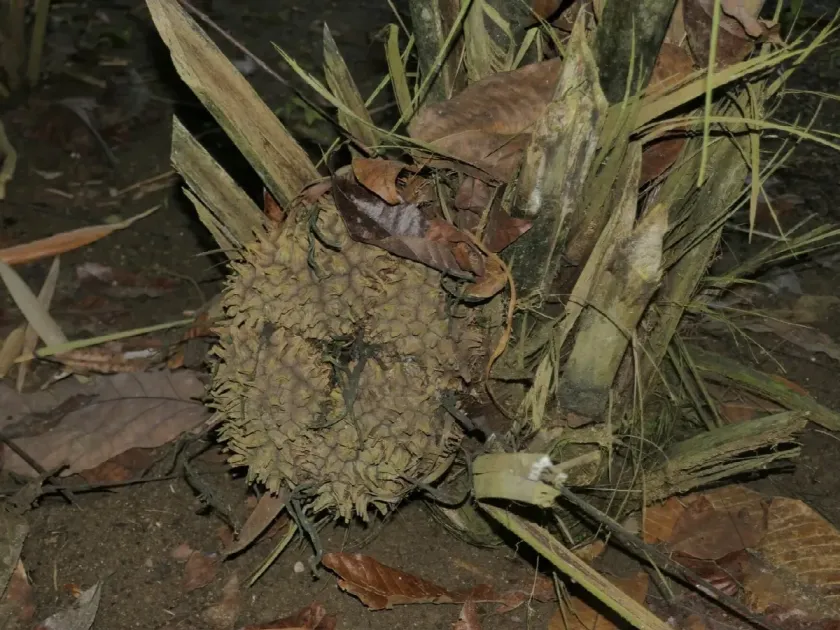
Description
Growing requirements
The ivory nut palm (Phytelephas macrocarpa) is a fascinating species belonging to the Arecaceae family. Native to the humid rainforests of South America, it is primarily found in the tropical lowlands of the Amazon basin and adjacent regions.
This crop requires specific tropical conditions to thrive. It necessitates high humidity and a consistent temperature range between 24°C and 30°C. Cold spells or dry seasons can significantly hinder the growth and reproductive capacity of the palm.
Regarding soil requirements, the species performs best in deep, fertile, and well-drained soils. While it favors moist environments, it does not tolerate waterlogged soil, which can lead to rapid fungal infections and root decay.
Agricultural management of the ivory nut palm revolves around preserving the forest canopy structure. Since the plant is naturally adapted to sub-canopy conditions, it requires protection from direct sunlight during its juvenile stages.
Growth of the Phytelephas macrocarpa is famously slow, often taking several years for the palm to produce its first crop of fruit. This biological trait dictates the need for long-term land management and patience in cultivation.
Harvesting
The primary agricultural product is the fruit, which contains seeds of exceptional hardness. When dry, these seeds possess a texture and chemical composition remarkably similar to animal ivory, earning the name "vegetable ivory."
Harvesting typically involves gathering the fallen fruit or picking ripe ones from the palm. This must be done carefully to avoid damaging the crown of the tree, which is essential for continued production in subsequent seasons.
The post-harvest processing involves removing the fleshy outer layer to reveal the hard endosperm. The nuts are then cleaned and subjected to a drying period, which is critical for curing the material into its durable, ivory-like state.
In terms of economic utility, these nuts are carved into various items such as buttons, jewelry, and chess pieces. This industry is highly valued as it provides a renewable alternative to animal products, supporting biodiversity conservation.
Sustainable harvesting of the ivory nut palm represents a successful integration of agroforestry and market demand. By valuing the nuts, local communities are incentivized to maintain the tropical forests rather than clearing them for other uses.