
Phytelephas aequatorialis
Phytelephas aequatorialis
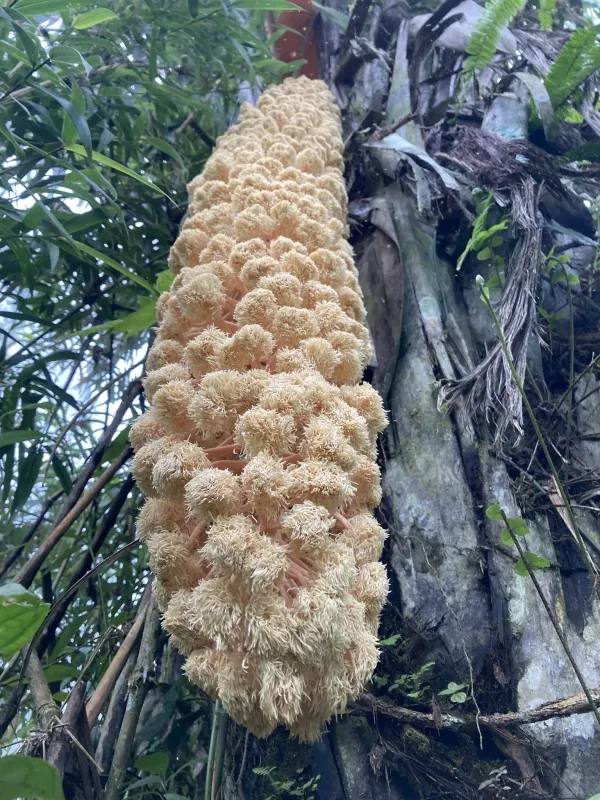
Description
Sowing dates
Propagation of Phytelephas aequatorialis is performed exclusively through seeds. The process requires a controlled temperature range between 25 and 30 degrees Celsius to ensure successful germination.
Fresh seeds have a tough outer layer, making pre-soaking in warm water an essential step to soften the coat and activate the embryo. This technique significantly improves germination rates in nursery conditions.
Seeds should be sown in a well-draining, nutrient-rich substrate that mimics forest floor soil. Consistent depth (3–5 cm) and moisture are vital for the development of the radicle.
Seedlings require partial shade during their early growth stages, as intense direct sunlight can scorch young leaves and stunt overall development.
The transition from a germinated seed to a robust sapling is a slow process, reflecting the palm's natural adaptation to low-light understory environments.
Growing requirements
Phytelephas aequatorialis thrives in humid tropical rainforest climates. High atmospheric humidity and consistent temperatures are non-negotiable for the plant's health and vigor.
The optimal temperature range is between 22 and 30 degrees Celsius. This species is highly sensitive to cold and cannot survive frost, necessitating careful site selection in tropical zones.
Soil requirements include deep, fertile, and well-aerated substrates. Adequate drainage is crucial, as the palm cannot tolerate waterlogged conditions which promote root rot.
In its native habitat, the plant grows in shaded layers of the forest. Cultivation must replicate these conditions, providing diffuse light to ensure steady vegetative growth.
Proper agronomy includes the strategic application of organic fertilizers. Nutrient management is key to maintaining the palm's dark green foliage and long-term vitality.
Yield
The yield of the ivory palm is measured by the quality and quantity of fruit bunches produced annually. A mature palm enters its productive phase once it gains sufficient trunk height.
Each fruit bunch contains numerous seeds, which contain an endosperm that hardens into a dense, ivory-like material known as tagua. This is the primary economic output of the crop.
A single mature tree can yield significant quantities of seeds per season. Consistent productivity depends on the tree's access to resources and the age of the plantation.
Harvesting is performed manually, selecting only fully mature bunches. Proper selection is essential, as under-ripe seeds lack the density required for industrial or artisanal use.
The economic sustainability of the plantation relies on periodic thinning and site maintenance to maximize yield per hectare while preserving the forest structure.
Main diseases and pests
Like many palm species, Phytelephas aequatorialis is susceptible to specific pests. Palm weevils pose the greatest threat, as they can bore into the trunk and damage the vital growing point.
Leaf-eating caterpillars and mites can infest the canopy, reducing photosynthesis efficiency and weakening the palm's overall resilience against environmental stress.
Fungal pathogens are a persistent issue, particularly in high-humidity areas. Root rot and leaf spots can develop quickly if drainage and air circulation are not managed correctly.
- Root rot caused by stagnant water.
- Trunk damage from wood-boring weevils.
- Leaf infestations by mites during dry spells.
- Fungal leaf spots during excessive rainy seasons.
Integrated pest management (IPM) is highly recommended, utilizing biological controls and sanitary practices to maintain a healthy and productive palm grove.
Harvesting
Harvesting tagua nuts requires precise timing based on the physical characteristics of the fruit. Growers look for specific changes in the exterior husk to determine when the interior endosperm is sufficiently hardened.
After collection, the fruits are depulped and subjected to a drying process. Drying is the most critical stage, as it ensures the tagua achieves the required hardness and white coloration.
The nuts must be air-dried in covered, well-ventilated structures to prevent direct solar damage and moisture re-absorption, which could cause cracking or fungal growth.
Once dried, the nuts are sorted by size and quality for the market. The resulting raw material is durable, easy to carve, and highly valued as a sustainable alternative to animal ivory.
Long-term storage of properly dried tagua is possible without loss of material quality, allowing for stable supply chains for craft and jewelry industries.