
Phormium colensoi
Phormium colensoi
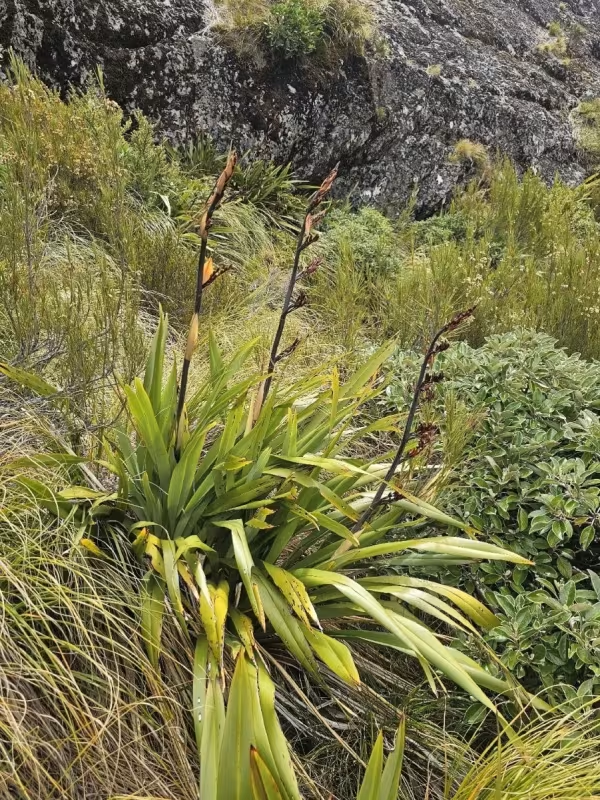
Description
Growing requirements
Phormium colensoi, commonly referred to as mountain flax, is a perennial evergreen plant belonging to the Asphodelaceae family. Native to New Zealand, it naturally thrives in mountainous terrain and slopes, showing remarkable adaptation to varied ecological niches.
The crop prefers well-drained, fertile soil with a neutral to slightly acidic pH. Proper drainage is the most critical factor for successful cultivation, as the rhizomes are highly susceptible to rot if water stagnation occurs in the root zone.
Regarding climate, this species is noted for being hardier than its relative Phormium tenax. It requires a temperate climate with consistent but not excessive moisture and should be protected from harsh, desiccating winds that can shred the distinctive sword-shaped leaves.
Agronomic management involves careful weed control during the establishment phase, as the plant grows relatively slowly. Mulching around the base helps retain soil moisture and discourages weed germination without harming the root system.
Fertilization should be applied sparingly in the early spring to promote healthy leaf development. Over-fertilization, especially with excessive nitrogen, can lead to overly soft growth that is more prone to environmental damage and pests.
Yield
Phormium colensoi is primarily utilized for its high-quality fiber, which is known for being softer and more pliable than that derived from coastal species, making it ideal for specialized weaving and textile applications.
The industrial value lies in the production of durable ropes, traditional Maori textiles, and eco-friendly paper products, which leverage the strength and resilience of the leaf fibers.
Yield efficiency is determined by the spacing of plants and the maturity of the harvestable foliage. Established plantations can provide sustainable annual yields when managed with appropriate harvesting cycles.
Beyond fiber production, the plant is a popular choice for large-scale landscaping, valued for its architectural form and low-maintenance requirements in suitable climatic zones.
The extraction of fiber requires careful processing to preserve the integrity of the long, thin strands, ensuring they retain their structural properties for end-user products.
Main diseases and pests
Pest pressures primarily include slugs and snails, which can cause significant damage to young leaves, especially during damp spring months, necessitating monitoring and protective measures.
Root rot caused by Phytophthora species represents the most serious biological threat to the crop, typically triggered by poor drainage or overly compacted soil conditions.
In regions with low humidity and high heat, spider mites may colonize the foliage, leading to yellowing and stunted growth if not addressed with appropriate biological or chemical controls.
Maintaining proper spacing between plants is essential to promote airflow and reduce the incidence of fungal leaf spots, which can degrade the aesthetic and structural quality of the leaves.
Effective management strategies rely on early detection and the removal of infected plant tissue to prevent the spread of localized disease outbreaks across the plantation.