
Dillenia philippinensis
Dillenia philippinensis Rolfe
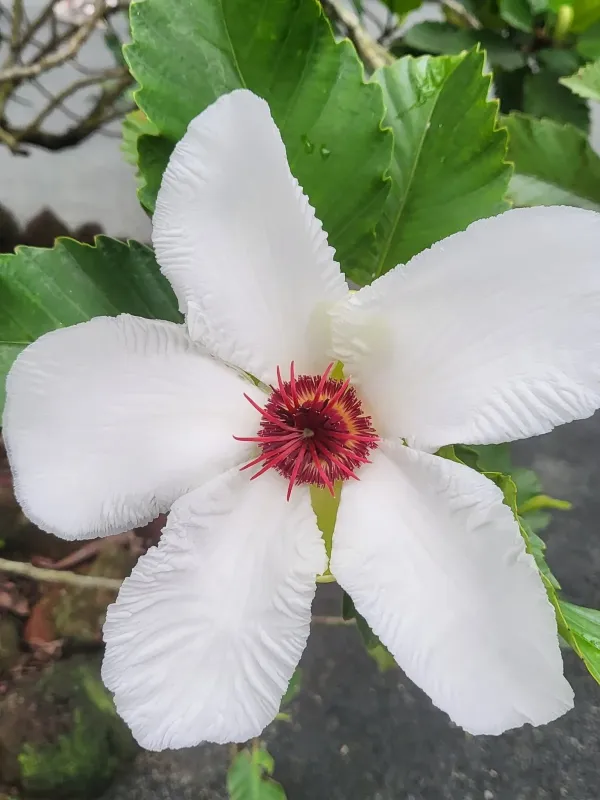
Description
Sowing dates
Propagation of Dillenia philippinensis, a member of the Dilleniaceae family, is primarily conducted through seeds in specialized nursery environments. Freshly harvested seeds should be sown in a fertile, well-draining substrate rich in organic matter to ensure high germination rates.
The optimal time for sowing is the onset of the rainy season, which provides the necessary humidity and moderate temperatures required for successful seedling development. Once the seedlings reach the stage of producing their second set of true leaves, they are typically transplanted into individual containers.
The culture is characterized by a relatively slow initial growth rate, requiring diligent care and protection from direct sunlight during the early stages of development. Regular applications of balanced liquid fertilizers in diluted concentrations help to accelerate the establishment of the root system.
Final transplantation into the field occurs once the saplings are sturdy, typically reaching a height of 50 to 70 centimeters. It is essential to ensure adequate spacing, ideally 8 to 10 meters apart, to accommodate the tree's expansive crown and prevent competition for nutrients.
Field planting involves the preparation of large pits amended with mature compost, creating a favorable soil environment that facilitates quick adaptation and long-term vitality for the tree within the orchard ecosystem.
Growing requirements
Dillenia philippinensis is a strictly tropical species that requires a stable climate with temperatures ranging from 24 to 32 degrees Celsius. It is highly sensitive to frost and cold, making it unsuitable for cultivation in temperate or sub-tropical regions with cooler seasons.
The tree thrives in deep, fertile, and well-draining soils with a neutral to slightly acidic pH. Proper soil aeration is critical, as waterlogged conditions often lead to root rot; therefore, strategic drainage is necessary in areas prone to heavy rainfall or high water tables.
High relative humidity and consistent moisture are essential for optimal vegetative growth and fruit production. While the species is resilient to minor fluctuations in rainfall, supplemental irrigation during the dry season is vital for maintaining the health of the tree and ensuring high yields.
Full sun exposure is preferred for maximum productivity, as adequate light facilitates the formation of a dense canopy and encourages the development of numerous flower buds. While younger trees may tolerate partial shade, mature trees perform best when fully exposed to sunlight.
Wind protection is an important aspect of orchard management, as strong winds can cause damage to the large, leathery leaves and lead to the premature dropping of young fruit. Establishing windbreaks with other hardy species is common practice in tropical plantations.
Yield
The yield potential of Dillenia philippinensis typically begins to manifest between 6 to 8 years after planting. As a long-lived perennial, the tree continues to increase its productivity as it reaches full maturity, often remaining productive for several decades.
Mature trees can produce hundreds of fruits per season, known locally as "Katmon." The fruit is valued for its thick, fleshy sepals, which are edible and highly sought after for culinary applications, including preserves, sauces, and drinks.
The harvest season is often influenced by local precipitation patterns. In regions with distinct wet and dry seasons, the trees may produce fruit in successional waves, allowing for a steady supply of produce to local markets over an extended period.
Pruning is a vital horticultural practice to improve yield. By thinning out the inner branches and removing dead wood, growers ensure better light penetration and airflow, which minimizes the incidence of fruit decay and maximizes the quality of the harvest.
With proper management, the tree serves as a highly efficient resource for tropical fruit production. Its ability to provide consistent yields makes it a valuable asset for both subsistence farming and commercial tropical agriculture initiatives.
Main diseases and pests
The primary threats to Dillenia philippinensis are fungal pathogens, such as anthracnose, which thrive in high-humidity environments. Symptoms include dark, sunken lesions on the leaves and fruit, which can lead to significant crop loss if left untreated.
Various insect pests, including aphids and scale insects, frequently infest the underside of leaves, sapping the tree's energy. Regular monitoring and the application of integrated pest management strategies, including the use of biological controls, are essential for maintaining plant vigor.
Fruit flies present a particular challenge, as they can infest ripening fruits and degrade their commercial quality. The use of pheromone traps and the prompt collection and destruction of fallen fruit are effective methods for interrupting the lifecycle of these pests within the orchard.
Root rot, caused by soil-borne pathogens or poor drainage, remains a significant concern for young saplings. Ensuring that the planting site is elevated and the soil structure is friable helps to mitigate the risk of these infections during the critical growth phase.
Disease prevention relies on a holistic approach: maintaining orchard sanitation, optimizing nutrient levels to avoid excessive soft growth, and conducting periodic inspections to catch and address potential outbreaks at the earliest possible stage.
Harvesting
Harvesting the fruit of Dillenia philippinensis is a delicate task that must be done manually to avoid bruising the outer surface. The fruit is typically harvested when its skin color shifts from dark green to a paler, yellowish-green, signaling the onset of maturity.
Because the fruits on a single tree do not ripen simultaneously, growers must conduct multiple harvest cycles, carefully selecting only the fruits that have reached the desired stage of ripeness to ensure uniform quality across the batch.
Post-harvest handling is critical, as the fruit has a limited shelf life and can quickly lose moisture if exposed to direct sun. Storing the harvest in a cool, shaded, and well-ventilated location helps to preserve the freshness of the fleshy calyx for several days.
When transporting the produce to markets or processing facilities, rigid containers should be used to prevent mechanical pressure and impact. Proper packing minimizes damage during transit and keeps the fruit appealing to consumers and food manufacturers alike.
For industrial uses, such as the production of acidic sauces or preserves, fruits are sometimes picked at a stage of technical maturity while they retain higher acidity levels, which is preferred for preserving the characteristic flavor profile in finished products.