
Carpenteria
Carpenteria
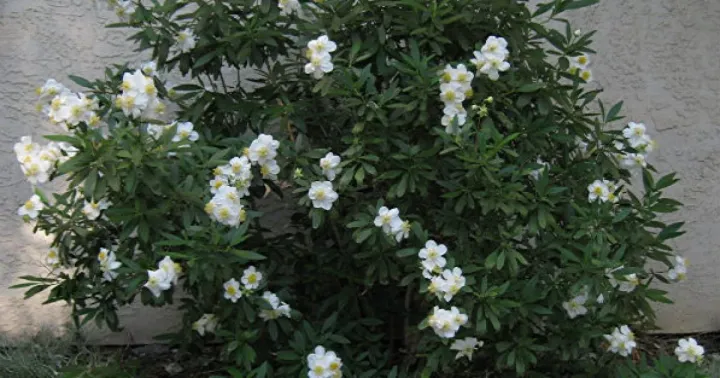
Description
Growing requirements
Carpenteria californica, commonly known as the bush anemone, is a rare evergreen shrub belonging to the Hydrangeaceae family. Native to the foothills of the Sierra Nevada in California, this plant is highly prized in horticulture for its stunning, fragrant white flowers that appear in early summer.
The plant thrives in well-drained, fertile soil with a neutral to slightly acidic pH. Proper drainage is the most critical factor for success, as the roots are highly susceptible to rot if left in waterlogged conditions for extended periods.
Ideally, Carpenteria should be planted in a sunny location that offers protection from harsh, drying winds. While it enjoys full sun, plants in hotter climates may benefit from light shade during the afternoon hours to prevent leaf scorch and dehydration.
Routine care involves consistent, moderate watering throughout the growing season. It is essential to keep the root ball moist but never waterlogged; mulching the base of the plant helps maintain soil moisture levels and protects the roots from extreme temperature fluctuations.
Maintenance pruning should be performed shortly after the flowering period ends to encourage a dense, bushy habit. This practice helps to manage the shrub's size and stimulates the production of healthy new growth that will host future blooms.
Main diseases and pests
Root rot is the most serious threat to Carpenteria, primarily caused by excessive moisture or compacted soil. Prevention focuses on selecting an ideal planting site and ensuring excellent soil aeration through the addition of organic matter or gravel.
Spider mites are common pests that tend to infest the plant during hot, dry summer weather. Regularly checking the undersides of leaves and increasing ambient humidity around the plant can help discourage mite populations from establishing themselves.
Mealybugs can occasionally attack the plant, particularly in sheltered or poorly ventilated environments. If an infestation occurs, affected areas should be treated with appropriate horticultural oils or systemic insecticides to protect the plant's health.
Inadequate airflow can lead to fungal issues such as powdery mildew, especially if the shrub is planted too closely to other vegetation. Pruning to maintain an open canopy is essential for reducing the risk of fungal infections within the foliage.
Providing the plant with proper nutrition via balanced, slow-release fertilizers in early spring supports strong growth and improved resistance to environmental stressors. Avoiding high-nitrogen fertilizers is recommended to prevent overly succulent growth that attracts pests.