
Mock orange
Philadelphus floridus
Description
Growing requirements
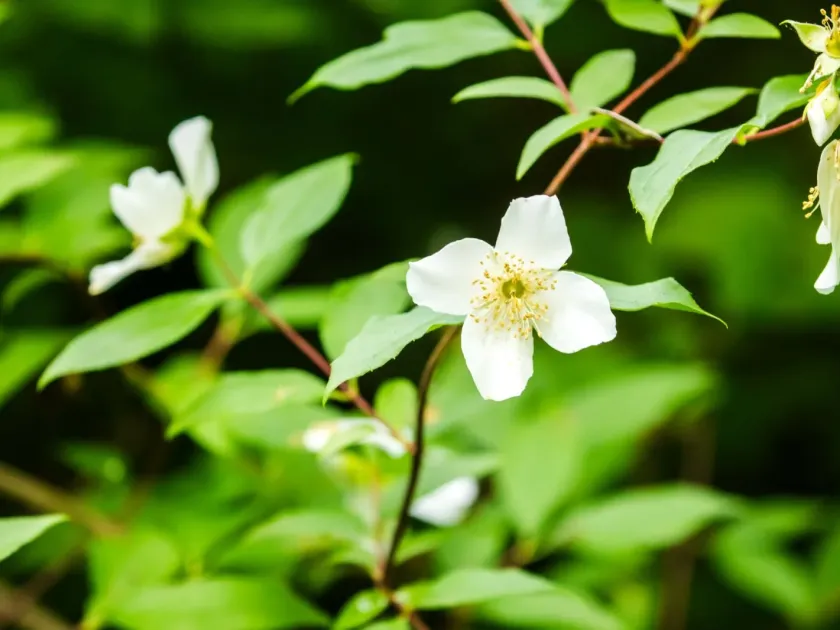
Mock orange (Philadelphus floridus) is a distinguished ornamental shrub that belongs to the Hydrangeaceae family. Native to regions of North America, this plant is widely cultivated in temperate gardens for its aesthetic appeal and fragrant blossoms.
The crop thrives best in locations with full sun to partial shade, requiring fertile and well-drained soils to reach its full potential. Consistent soil moisture is essential for development, but the root system must be protected from prolonged waterlogging.
Agronomic management involves regular pruning to maintain plant health and shape. Removing old wood encourages vigorous growth of new flowering shoots, which is a critical practice for sustaining the abundance of the floral display.
Regarding climate, the plant is relatively hardy but benefits from protection against harsh winter winds. Proper site selection helps minimize cold damage and ensures a healthy restart during the early spring growing season.
Its primary use is in ornamental landscaping, where it is utilized for hedges, screening, and as focal points in garden beds due to its significant visual interest and pleasant scent during the blooming period.
Main diseases and pests
The primary pests affecting Philadelphus floridus include aphids and spider mites, which can sap plant vigor and cause significant cosmetic damage to the foliage and buds.
Common fungal threats involve powdery mildew and grey mold, often exacerbated by high humidity levels and poor airflow within the dense shrub canopy.
Effective management includes maintaining proper spacing between shrubs to facilitate natural aeration and reduce the microclimate suitability for fungal spores.
Application of appropriate insecticides and fungicides should be scheduled based on environmental conditions and signs of early infestation rather than routine calendar spraying.
By prioritizing sanitation practices—such as cleaning up leaf debris and thinning out overcrowded branches—gardeners can effectively mitigate the pressure from common pests and diseases.