
Phalaenopsis fasciata
Phalaenopsis fasciata
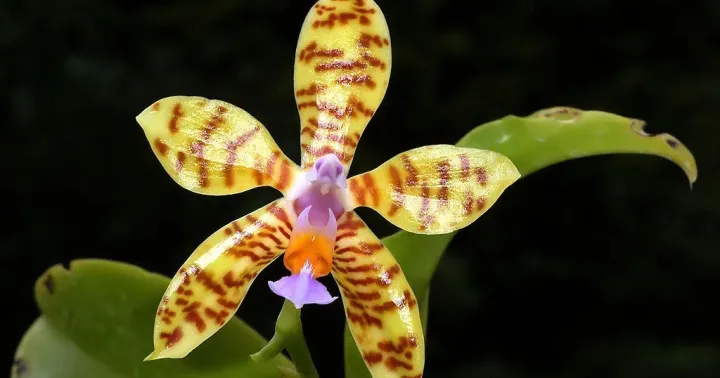
Description
Growing requirements
Phalaenopsis fasciata is a distinct species of epiphytic orchid belonging to the Orchidaceae family. Native to the Philippines, this plant naturally thrives in humid tropical lowland forests, attaching itself to tree trunks where it receives filtered light.
The cultivation of this orchid requires specific environmental conditions. It demands warm temperatures, ideally between 22°C and 28°C throughout the year. Maintaining these levels is crucial to encourage healthy vegetative growth and subsequent flowering.
Proper substrate choice is fundamental for plant health. It should consist of high-quality pine bark mixed with perlite or charcoal to provide excellent drainage and airflow to the roots, preventing the common issue of root rot.
Lighting must be bright but indirect. Intense direct sunlight can lead to leaf scorching, while insufficient light prevents the plant from blooming. A semi-shaded location with stable, indirect light exposure is the most recommended setup.
Watering management is vital for this species. It should be watered thoroughly, allowing the substrate to partially dry out between applications. Consistent high humidity, ideally above 60%, is necessary to simulate its natural rainforest habitat.
Main diseases and pests
Common pests affecting Phalaenopsis fasciata include spider mites, aphids, and mealybugs. Regular monitoring of the foliage and root zone is essential for early detection and mitigation of these infestations.
Fungal and bacterial diseases are often a result of poor air circulation and excessive moisture in the growing medium. Preventive measures include maintaining good airflow and ensuring the pot has adequate drainage holes.