
Peucedanum coriaceum
Peucedanum coriaceum
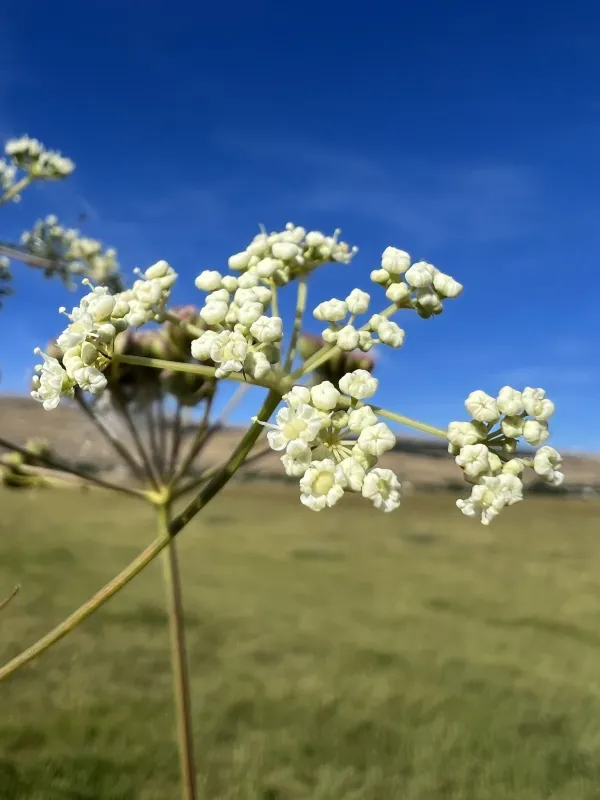
Description
Sowing dates
Peucedanum coriaceum is a perennial plant species belonging to the Apiaceae family. Successful germination of the seeds typically requires a cold stratification process.
The most effective method for sowing is planting in the late autumn, which allows the seeds to undergo natural winter stratification, enhancing spring germination rates.
If seeds are sown in the spring, they must be pre-chilled at temperatures between 0 and 5 degrees Celsius for approximately two months to break dormancy.
Sowing depth should be maintained at 1.5–2 centimeters in a well-prepared seedbed to ensure adequate moisture retention around the seeds during their initial development.
Proper spacing is crucial for plant development, with rows spaced 50 to 60 centimeters apart to provide sufficient area for the rosette foliage to thrive.
Growing requirements
This crop performs best in full sun exposure, as sufficient light is essential for the biosynthesis of secondary metabolites within the plant's tissues.
Well-drained, deep, fertile soils are required for optimal growth, as the plant is highly sensitive to waterlogged conditions which often lead to root rot.
The ideal soil pH is neutral or slightly alkaline, providing the necessary conditions for the healthy development of both the taproot and the aerial parts.
Regular irrigation is necessary, particularly during the first two years, to support steady root establishment and prevent stress during dry summer months.
Weed control via regular inter-row cultivation is essential during the early stages of development to prevent nutrient competition and ensure a vigorous stand.
Yield
The economic value of Peucedanum coriaceum is primarily concentrated in its root system, which is harvested for industrial and pharmaceutical applications.
Typical yields of dry roots range from 1.5 to 2.5 tonnes per hectare, depending on soil quality, climatic conditions, and the age of the plantation at harvest.
The peak concentration of desired compounds is usually reached by the third year of cultivation, marking this as the ideal time for the main root harvest.
Harvesting the aerial biomass for herbal use should be timed with the flowering stage, ensuring that the active ingredients are at their highest concentration.
Maintaining a crop rotation system is highly recommended to sustain soil fertility and minimize the risk of soil-borne pathogens accumulating over the years.
Main diseases and pests
Common threats include fungal diseases like root rot, which are often exacerbated by poor drainage or excessive humidity during the cooler months of the year.
Pests such as aphids and specific insects belonging to the Apiaceae-feeding group can affect plant vigor and decrease overall crop yield if left unchecked.
Integrated pest management strategies should be applied to prevent damage, prioritizing biological control measures over synthetic chemical applications.
Ensuring adequate air circulation between plants is a vital cultural practice to reduce the pressure from fungal pathogens and improve overall plant health.
Early identification of signs of distress, such as leaf wilting or stunted growth, is crucial for implementing corrective measures before damage spreads throughout the field.
Harvesting
Roots should be harvested in late autumn after the foliage has withered, ensuring that the plant has stored maximum energy reserves underground.
After excavation, the roots must be thoroughly cleaned of soil and debris, washed, and cut into smaller segments to facilitate even and efficient drying.
Dehydration is performed in specialized drying facilities at temperatures not exceeding 50 degrees Celsius to protect the essential compounds from degradation.
The drying process is complete when the root segments become brittle, showing no signs of internal moisture, which ensures long-term storage stability.
Final product storage must take place in a cool, dark, and dry environment to maintain the potency and quality of the medicinal ingredients over time.