
Petrocosmea minor
Petrocosmea minor
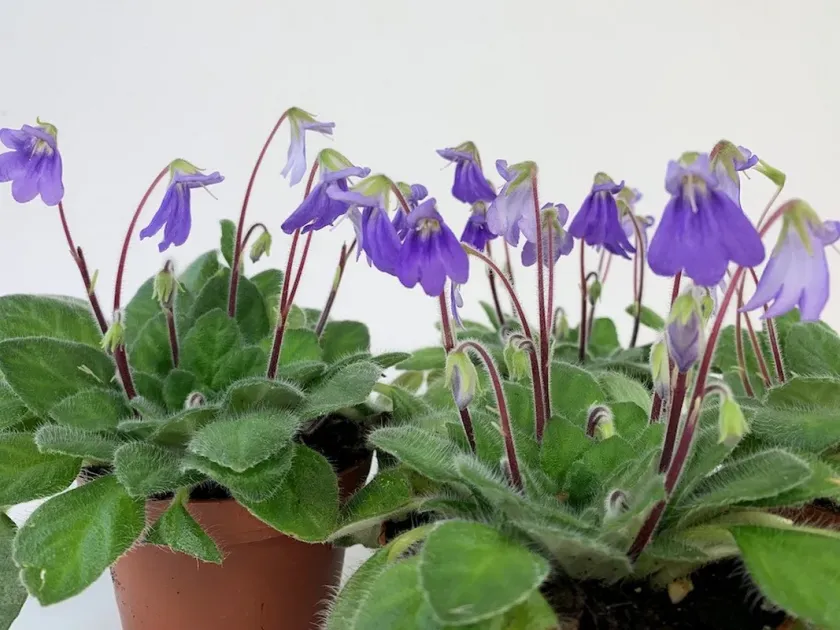
Description
Growing requirements
Petrocosmea minor is a compact perennial belonging to the Gesneriaceae family. Originating from the mountainous regions of China, this species typically inhabits humid, shaded rocky slopes, which dictates its specific environmental requirements in cultivation.
The plant thrives in stable temperatures, ideally between 18 and 22 degrees Celsius. It requires bright, indirect light; therefore, it is best kept away from direct sun exposure which can damage its sensitive foliage and disrupt its natural rosette structure.
Soil composition must be loose, porous, and well-draining. A mix consisting of peat, leaf mold, and perlite is highly recommended to ensure proper aeration for the delicate root system, as compaction often leads to failure in plant development.
Humidity is a critical parameter for Petrocosmea minor. It requires high relative humidity, generally around 60–70%. In indoor settings, using pebble trays or humidifiers is often necessary to maintain the plant's health and prevent leaf crisping.
Watering requires high precision. It is essential to keep the soil slightly moist but never waterlogged. Always water from below or near the edge of the pot, ensuring no water enters the center of the rosette to prevent crown rot.
Main diseases and pests
Fungal infections are the most common threats to Petrocosmea minor. Crown rot and root rot are usually consequences of poor drainage, overwatering, or inadequate ventilation around the leaves, leading to irreversible plant damage.
Pests such as mealybugs and spider mites are frequent invaders. Mealybugs often hide in the tight spaces between leaves, while spider mites exploit low-humidity conditions, causing fine webbing and chlorotic spots on the foliage.
Prevention is centered on environmental control. Maintaining good airflow, avoiding splashing water on the foliage, and keeping the growing area clean are the primary defenses against disease outbreaks.
In case of pest infestation, chemical control with targeted insecticides or miticides may be required. Because Petrocosmea has delicate tissues, it is advisable to test products on a small leaf area before applying them to the entire plant.
Monitoring the plant for early signs of stress, such as yellowing or drooping leaves, allows for quick intervention. Regular repotting every year or two helps replace degraded soil and provides the plant with fresh nutrients and better drainage.