
Petraeovitex multiflora
Petraeovitex multiflora
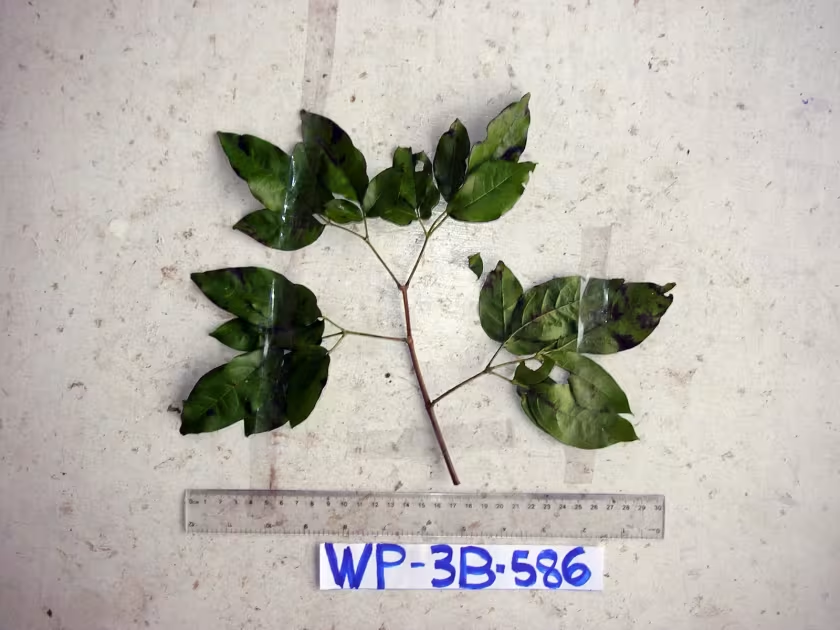
Description
Growing requirements
Petraeovitex multiflora is an attractive woody vine belonging to the Lamiaceae family. It is recognized for its cascading, dense inflorescences that provide significant ornamental value, making it a desirable species for botanical gardens and specialized greenhouse collections.
Originating from the tropical regions of Southeast Asia, this plant thrives in humid environments. It is naturally found in forest edges where it utilizes its climbing habit to reach higher light levels, demonstrating a high degree of specialization to its native tropical ecosystem.
Optimal growth requires a well-draining substrate rich in organic matter. Soil moisture levels should be consistently high but never waterlogged, as the root system of this species is sensitive to hypoxia, which can occur in compacted or poorly draining soils.
Climatic requirements focus on maintaining high ambient temperatures, ideally between 20°C and 30°C throughout the year. The species lacks significant cold tolerance, necessitating protected environments in any region that experiences frost or prolonged cool weather conditions.
Management techniques involve providing adequate structural support, such as trellises or arbors, to accommodate the plant's natural climbing behavior. Regular maintenance, including light pruning, encourages lateral branching and improves the density of the floral display during the blooming season.
Main diseases and pests
The primary threats to Petraeovitex multiflora in greenhouse environments include spider mites and aphids, which exploit the plant's soft foliage. Monitoring programs are essential to detect infestations early, followed by targeted treatment with appropriate horticultural oils or systemic insecticides.
Root rot, driven by pathogens such as Pythium or Phytophthora, is a common issue when irrigation protocols are not followed strictly. Ensuring high airflow around the root collar and preventing water stagnation are the most effective preventive measures against soil-borne diseases.