
Pereskiopsis diguetii
Pereskiopsis diguetii (F. A. C. Weber) Britton & Rose
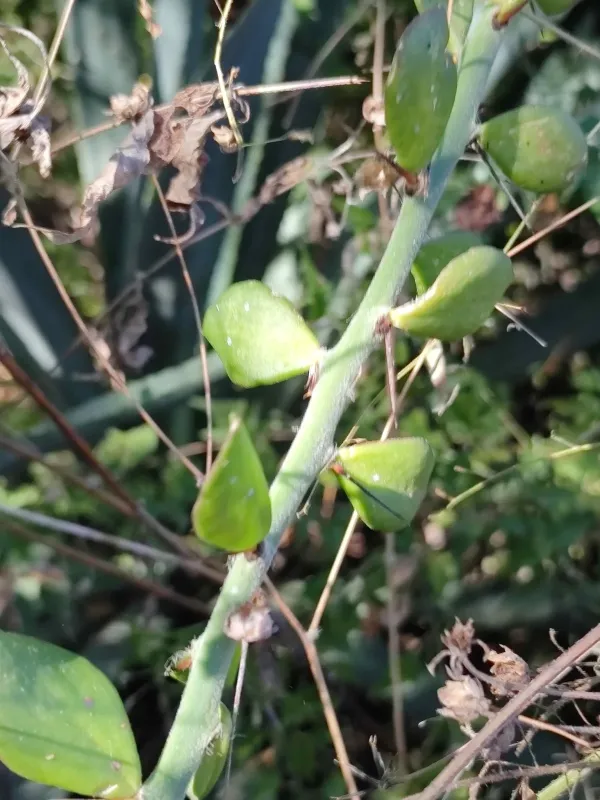
Description
Sowing dates
Pereskiopsis diguetii is propagated primarily through stem cuttings, as this is the most efficient method for maintaining desirable traits. The best time for taking cuttings is during the active growth period, typically in late spring or summer.
Cuttings should be 5 to 10 centimeters long and allowed to dry for several days before planting to ensure the cut surface forms a callus, preventing rot upon contact with soil.
These cuttings are planted in a well-draining, lightweight potting mix. Rooting usually occurs quickly when the temperature is maintained between 22 and 25 degrees Celsius.
In professional nurseries, maintaining mother plants (stock plants) is essential for a continuous supply of high-quality cuttings. Using sterile cutting tools is crucial to prevent the spread of pathogens.
The species exhibits a remarkable ability to regenerate root systems, making it a reliable and easy-to-grow plant for specialized greenhouse settings.
Growing requirements
Native to Mexico, Pereskiopsis diguetii thrives in bright, direct sunlight. Proper lighting is essential to prevent etiolation, which can weaken the stems and reduce their efficacy as rootstock.
The soil should be loose and porous, consisting of a mix of potting soil, sand, and perlite. A slightly acidic pH level promotes nutrient uptake and general plant health.
Watering should be consistent during the growing season, but the substrate must be allowed to dry out slightly between waterings. Excessive moisture, especially in winter, can quickly lead to root rot.
Temperature should remain between 20 and 30 degrees Celsius during the peak season. During winter, the plants enter a dormancy phase and require cooler conditions with significantly reduced water.
Fertilization with a balanced, low-nitrogen cactus-specific fertilizer during the active growth phase encourages vigorous stem development, which is vital for providing energy to the grafted scion.
Yield
The primary economic use of Pereskiopsis diguetii is as a high-performance rootstock for grafting rare and slow-growing cactus species. It significantly accelerates the growth rate of the scion.
By grafting onto this species, growers can achieve the first flowering of rare cacti in a fraction of the time compared to own-root cultivation. This is a game-changer for specialized collectors and commercial nurseries.
Yield, in this context, is measured by the production of healthy, mature stems suitable for grafting. A well-maintained stock plant can produce dozens of cuttings per season.
Compatibility with a wide range of cacti makes this species a versatile choice for grafting. Its rapid physiological response ensures that the scion receives sufficient nutrients for healthy growth.
The overall quality of the resulting graft is directly dependent on the health and vigor of the Pereskiopsis stem. Proper cultivation ensures successful outcomes in complex propagation projects.
Main diseases and pests
Common pests include spider mites and mealybugs, which are particularly prevalent in dry, poorly ventilated greenhouse environments. Regular monitoring is essential to prevent infestation.
Effective pest management involves the use of systemic insecticides and acaricides. Early detection and treatment prevent the need for harsh chemical applications on a massive scale.
Fungal diseases, such as Fusarium or stem rot, often occur due to improper watering habits or poor hygiene. Maintaining high standards of greenhouse sanitation is the best preventative measure.
Providing optimal airflow and avoiding waterlogging are critical for long-term plant health. Plants should be kept clean and debris-free to discourage pathogen colonization.
- Regular inspection of all plant stems.
- Sanitization of all cutting equipment.
- Proper airflow to reduce humidity-related diseases.
- Systemic disease prevention strategies.