
Pereskia sacharosa
Pereskia sacharosa Griseb.
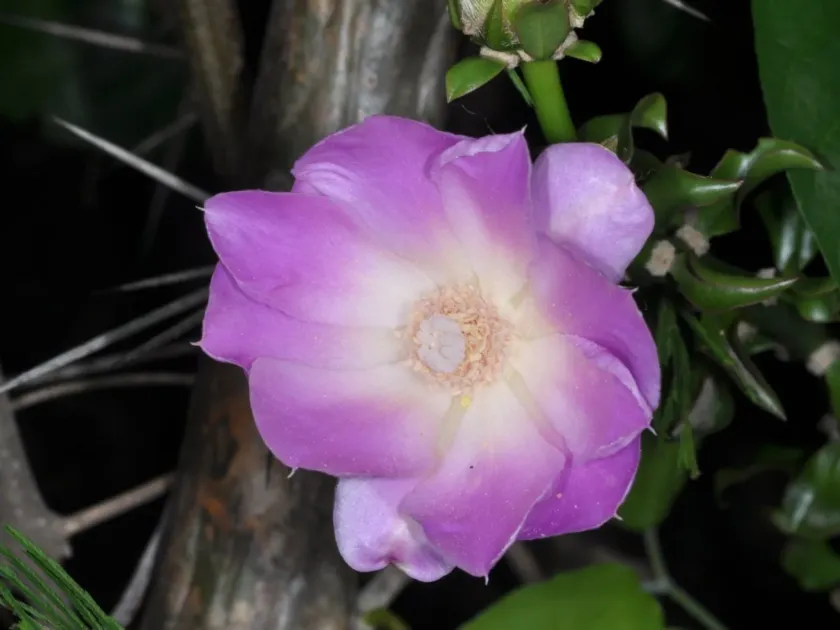
Description
Growing requirements
Pereskia sacharosa belongs to the Cactaceae family, known for its distinct trait of possessing broad, persistent leaves. Originating from the subtropical zones of South America, specifically in regions of Argentina and Bolivia, this plant thrives in warm, seasonally dry environments.
The plant requires high levels of solar radiation to maintain its physiological processes. It performs best in environments where temperatures remain consistently above 15 degrees Celsius during the growing season, showing high adaptability to arid conditions.
Cultivation requires a well-draining soil mix that prevents water stagnation, which is critical to avoid root hypoxia. A balanced mix of peat, coarse sand, and organic loam is often used by growers to simulate the natural drainage found in its native habitats.
Watering management is a pivotal aspect of its agronomy. While the plant can withstand drought, periodic irrigation during the growing cycle ensures optimal vegetative growth and leaf development, significantly enhancing the overall quality of the specimen.
Beyond its ornamental appeal, Pereskia sacharosa has economic significance as a rootstock for grafting more sensitive cactus species. Its ability to tolerate various environmental stresses makes it a valuable asset in botanical nurseries and specialized collections.
Main diseases and pests
Mealybugs and spider mites are the primary pests that affect the health of Pereskia sacharosa. These insects tend to congregate on the undersides of the leaves and stem nodes, sucking the plant's sap and reducing its vigor over time.
Fungal pathogens such as Fusarium and Phytophthora represent a significant threat to the root system. High humidity combined with poor airflow creates an ideal environment for these pathogens, necessitating strict adherence to irrigation schedules.
Leaf spot diseases, caused by various fungal and bacterial agents, can occur if the foliage remains wet for prolonged periods. Ensuring adequate ventilation is the most effective preventative measure against these infections in greenhouse cultivation.
Nutritional imbalances, characterized by leaf yellowing or stunted growth, may occur if the soil pH deviates from the optimal range. Regular soil testing and controlled fertilization with balanced macro and micronutrients are necessary for sustained success.
Integrated pest management, including the use of systemic insecticides and proper sanitation protocols, is essential for maintaining a healthy crop. Avoiding overcrowding of plants is another critical factor in reducing the rapid spread of diseases within a collection.