
Pentameris eriostoma
Pentameris eriostoma
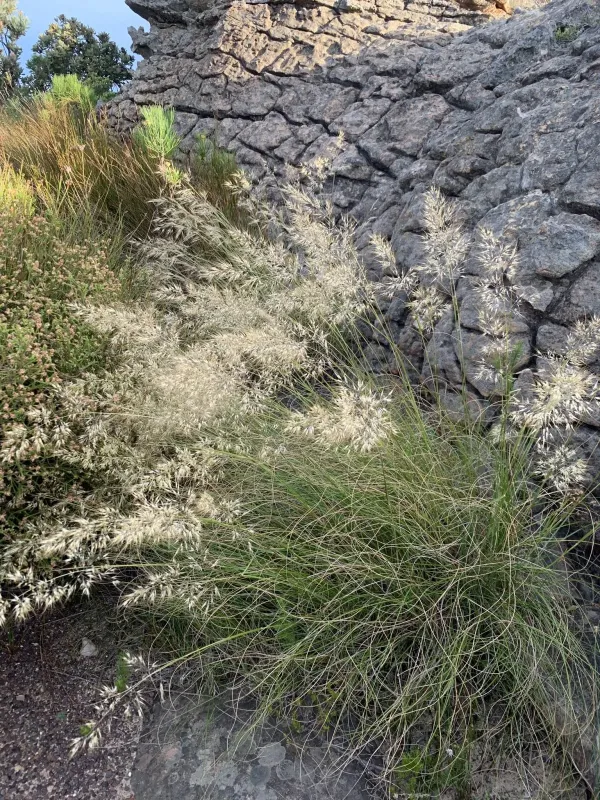
Description
Sowing dates
Sowing this crop is best performed during the early spring period, when soil temperatures reach 10–12°C. Early spring is optimal as it allows the plants to utilize stored winter moisture effectively for initial establishment and growth.
In regions with milder climates, late autumn sowing is feasible, providing earlier germination in the following season. However, it is crucial to manage the risk of premature germination triggered by short-term winter thaws.
The seeding depth is a critical factor for achieving uniform emergence. It is recommended to sow seeds at a depth of no more than 1–2 centimeters, ensuring firm contact with the soil substrate to facilitate moisture absorption.
Seeding rates should be calculated based on seed quality and the desired stand density. For establishing improved pastures or hay meadows, the typical rate ranges from 10 to 15 kilograms per hectare, either as a monoculture or within a seed mix.
To improve establishment, it is essential to roll the soil surface before and after sowing. This operation enhances capillary moisture movement to the seeds and prevents the upper soil layer from drying out excessively.
Growing requirements
Pentameris eriostoma belongs to the grass family (Poaceae) and has specific environmental requirements. The crop demonstrates high adaptability to moderately acidic and sandy soils, making it a viable candidate for developing lower-fertility land.
While the plant exhibits good drought tolerance, achieving high biomass yields requires sufficient precipitation during critical vegetative phases. During periods of drought, growth rates naturally slow down as a protective survival mechanism.
The culture thrives in well-lit areas with direct access to sunlight. Excessive shading can cause the stems to stretch and reduce overall biomass production; therefore, cultivation in deeply shaded or waterlogged lowlands is not recommended.
The optimal pH range for effective nutrient uptake is between 5.5 and 6.5. In cases of high soil acidity, liming is recommended to significantly improve the productivity and longevity of the grass stand.
Proper development requires a balanced application of nitrogen and phosphorus fertilizers. Nitrogen fertilization plays a crucial role in stimulating rapid regrowth following harvesting or intensive grazing cycles.
Main diseases and pests
The primary threats to this crop involve fungal diseases, which tend to develop under high humidity conditions. Cereal rust often affects leaf surfaces, leading to reduced fodder quality and decreased photosynthetic capacity.
Pests, such as cereal flies and leafhoppers, can cause significant damage to young stands. Preventive measures include adhering to optimal sowing windows and using high-quality, disease-free seed materials to minimize initial infection risks.
Root rot becomes a serious issue in waterlogged soils with poor aeration. To manage this, it is necessary to improve drainage systems and maintain a balanced approach to the application of organic and mineral fertilizers.
Nematodes affecting the root system can weaken the plants and reduce their overall winter hardiness. Regular phytosanitary monitoring during the early spring allows for the early detection and management of localized infestations.
To limit the spread of pests, it is recommended to implement crop rotations involving different plant families. This practice interrupts the life cycles of specialized parasites and promotes a healthier overall agroecosystem.
Harvesting
Agricultural use is primarily focused on green fodder production and grazing. The first harvest should be carried out during the early heading stage, when the nutrient content in the plant reaches its peak concentration.
For high-quality hay production, mowing should take place before the stems become overly lignified. Timely harvesting is essential to preserve the high protein and sugar concentrations necessary for livestock nutrition.
When used as pasture, rotation grazing management is vital to prevent overgrazing. Excessive pressure on the grass stand can deplete root reserves and hinder the plant's ability to recover quickly after grazing events.
Post-harvest or post-grazing fertilization is recommended to stimulate rapid regrowth. This practice ensures consistent biomass yields throughout the entire growing season by replenishing essential soil nutrients.
The final cut or grazing cycle should be concluded at least 3–4 weeks before the onset of persistent frosts. This allows the plants to accumulate sufficient nutrient reserves to successfully survive the winter dormancy period.